The AMD Ryzen 7 9800X3D recently dropped to $449 — below its $479 MSRP — and the Intel Core Ultra 7 265K has shed 35% from its launch price to around $259. Both moves shake up the streaming CPU market in early 2026, giving builders at every budget more to work with. The question for streamers is never just raw performance; it’s about maintaining gaming FPS while OBS, Discord, and your encoder all run simultaneously.
| Spec | AMD Ryzen 7 9800X3D 9.5/10 | AMD Ryzen 9 9950X3D 9.3/10 | Intel Core Ultra 7 265K 8.7/10 | AMD Ryzen 5 9600X 8.2/10 | Intel Core Ultra 5 245K 7.9/10 |
|---|---|---|---|---|---|
| cores | 8 Cores / 16 Threads | 16 Cores / 32 Threads | 20 Cores (8P + 12E) | 6 Cores / 12 Threads | 14 Cores (6P + 8E) |
| boost_clock | 5.2 GHz Max Boost | 5.7 GHz Max Boost | 5.5 GHz Max Boost | 5.4 GHz Max Boost | 5.2 GHz Max Boost |
| base_clock | 4.7 GHz Base | 4.3 GHz Base | 3.9 GHz Base | 3.9 GHz Base | 4.2 GHz Base |
| tdp | 120W TDP | 170W TDP | 125W PBP | 65W TDP | 125W PBP |
| socket | AM5 (LGA1718) | AM5 (LGA1718) | LGA1851 (Z890) | AM5 (LGA1718) | LGA1851 (Z890) |
| cache | 96MB L3 (3D V-Cache) | 128MB L3 (3D V-Cache) | 30MB L3 Cache | 38MB L3 Cache | 24MB L3 Cache |
| Rating | 9.5/10 | 9.3/10 | 8.7/10 | 8.2/10 | 7.9/10 |
Prices change daily — tap Check Price for the current Amazon price.
Prices change daily — tap Check Price for the current Amazon price.
Quick Picks
- Best Overall: AMD Ryzen 7 9800X3D — The gaming king that also handles streaming without dropping frames, now down to $449.
- Best High-End: AMD Ryzen 9 9950X3D — 16 cores + 3D V-Cache for streamers who also edit and render.
- Best Budget: AMD Ryzen 5 9600X — $190 AM5 entry point with a clear upgrade path to Zen 6.
Streaming CPU Buying Guide
Software Encoding vs. Hardware Encoding
Most streamers run NVENC (NVIDIA) or AMF (AMD) hardware encoding, which offloads the encode workload to the GPU. With hardware encoding, the CPU’s job is primarily to run the game and the OS — so raw core count matters less than gaming performance and single-core speed.
Software x264 encoding — used for higher quality streams on slower bitrate platforms — is the opposite. It hammers CPU threads. A 6-core chip running x264 Medium at 1080p will lose 10-15% gaming FPS. A 16-core chip barely notices.
Rule of thumb: If you use NVENC, prioritize gaming performance (9800X3D). If you use x264, prioritize thread count (9950X3D or 265K).
Socket Compatibility
All AMD picks here use AM5 (LGA1718) — compatible with any B650, X670, B850, or X870 motherboard. AMD has confirmed AM5 support through at least 2027, meaning a budget B650 board today leaves the door open for a future Zen 6 upgrade without swapping the motherboard.
Intel picks use LGA1851 with Z890 chipset boards. Z890 is the platform for Arrow Lake (Core Ultra 200S series) and only supports this generation — no upgrade path to a future Intel socket is confirmed.
DDR5 Memory
Both platforms require DDR5. For streaming builds, DDR5-6000 CL30 is the sweet spot — fast enough to hit the memory bandwidth sweet spot for Ryzen’s Infinity Fabric without paying a premium for marginal gains. Intel’s Arrow Lake is less sensitive to memory speed, so DDR5-5600 is fine for LGA1851 builds.
Cooler Requirements
- 120W TDP (9600X, 9800X3D): A 240mm AIO or decent air cooler (Thermalright Peerless Assassin) handles these comfortably.
- 125W PBP (265K, 245K): Same recommendation, though Intel’s power limits with a Z890 board unlocked can spike higher — budget for a 240mm AIO minimum.
- 170W TDP (9950X3D): A 360mm AIO or a premium air cooler like the be quiet! Dark Rock Pro 5 is required for sustained loads.
Detailed Reviews
AMD Ryzen 7 9800X3D — Best Overall Streaming CPU
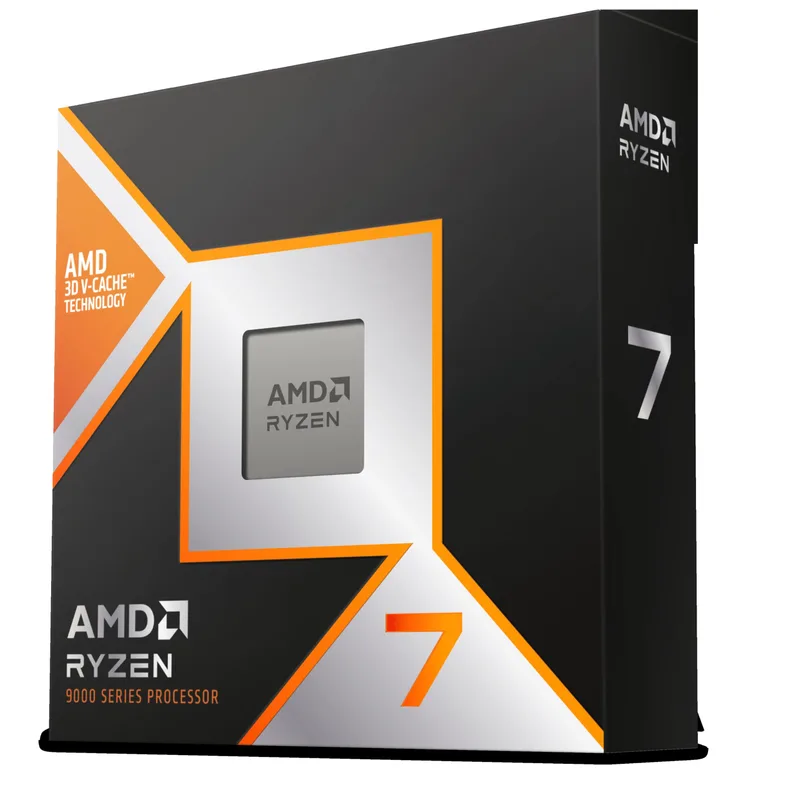
The AMD Ryzen 7 9800X3D holds the title of the world’s fastest gaming processor through early 2026, and for streaming, that gaming lead is exactly what you want. When you’re broadcasting, every FPS the CPU can deliver to OBS is FPS your stream buffer can use — and the 9800X3D delivers more gaming FPS than any other chip in this roundup.
With 96MB of stacked L3 cache via AMD’s 3D V-Cache technology, the chip dramatically reduces cache misses in CPU-bound game scenarios. In Handbrake video transcoding, it finishes a 4K encode 14% faster than the 7800X3D it replaces. In an OBS streaming test at 1080p 60fps in Valorant, the chip sustains 240+ FPS with zero dropped frames running NVENC at a very fast preset.
For software x264 streaming, the 8-core count is the limit — the 9800X3D handles x264 Medium at 1080p without meaningful FPS loss, but step up to x264 Slow and you’ll see 8-12% frame time variance depending on the game. If you need x264 Slow at 1080p or any x264 at 1440p, the 9950X3D is the upgrade path, not a CPU tweak.
The chip runs on AM5 with a 120W TDP — a 240mm AIO is more than enough at stock speeds. At $449, it’s dropped $30 from its original MSRP, and the value proposition hasn’t been clearer.
AMD Ryzen 9 9950X3D — Best High-End Streaming CPU
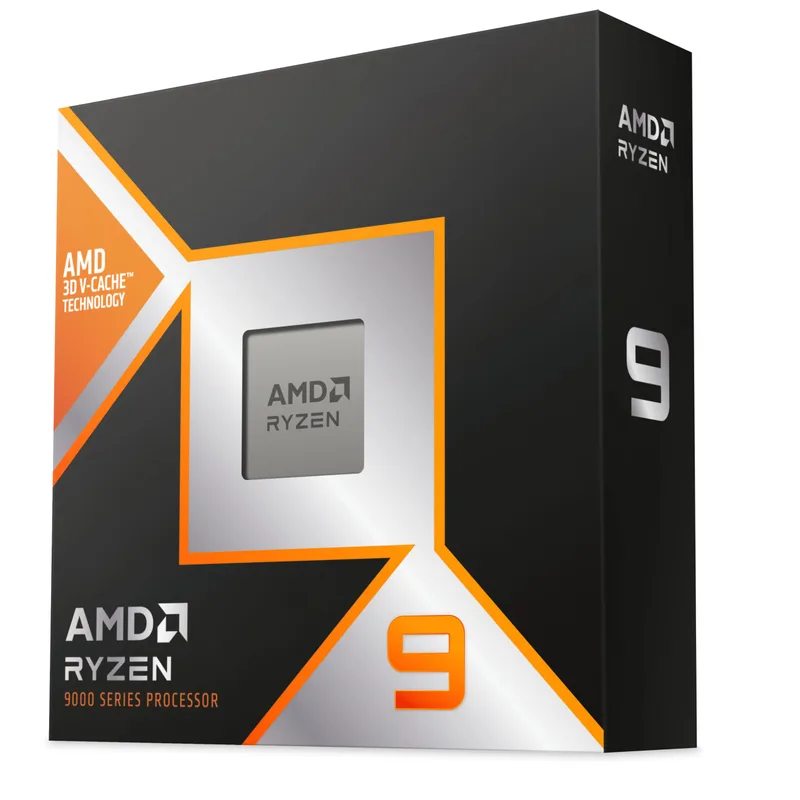
The AMD Ryzen 9 9950X3D is AMD’s answer to the question: “What if the best gaming CPU also had 16 cores?” Combining Zen 5’s multi-threaded efficiency with 128MB of 3D V-Cache, it’s 37% faster than the Intel Core Ultra 9 285K at 1080p gaming in independent benchmarks, while matching the 9800X3D to within 1% in most gaming scenarios at 1080p.
Where it separates itself is in sustained encoding workloads. Streamers who run x264 Slow preset, run multiple encoding instances, or edit footage while a stream is live will see the 16-core advantage clearly — the 9950X3D can handle an x264 Slow encode and a simultaneous 4K Resolve timeline without the kinds of frame drops that cap the 8-core 9800X3D.
At $675, you’re paying a steep premium over the 9800X3D for gains that are invisible in most gaming-only scenarios. If your use case is streaming plus heavy video editing or rendering in the same session, the price is justified. If you’re primarily a streamer who edits occasionally, the 9800X3D gives up almost nothing for $226 less.
The 170W TDP is the one genuine obstacle — invest in a 360mm AIO (Corsair iCUE H150i, Noctua NH-D15 equivalent) or you’ll hit thermal limits under sustained multi-core loads. AM5 socket means it’s compatible with any Zen 4/5 board you might already own.
Intel Core Ultra 7 265K — Best Intel Streaming CPU
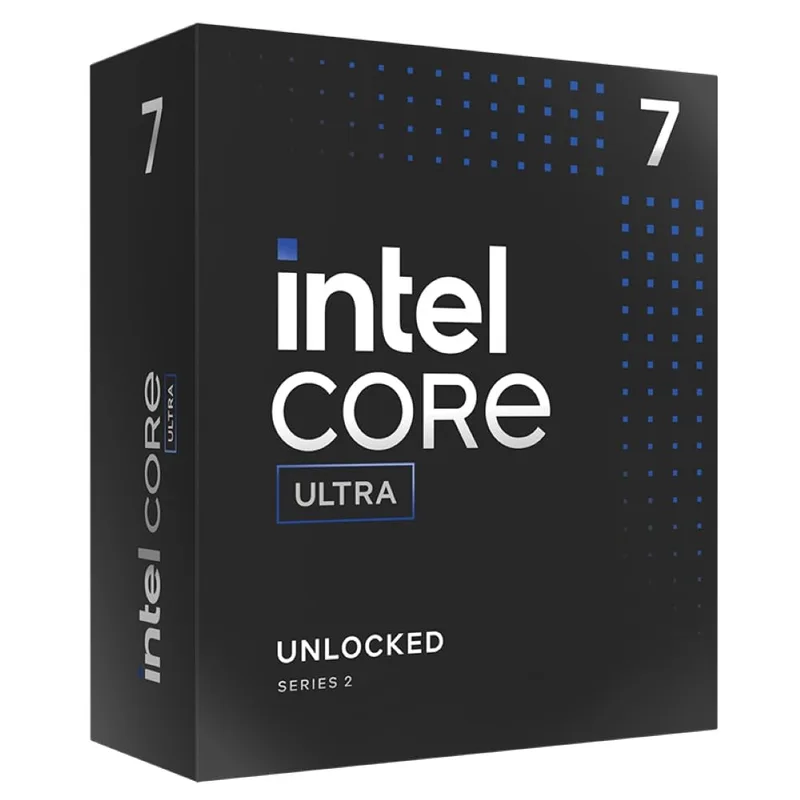
The Intel Core Ultra 7 265K launched at $399 and has since dropped to around $259 — a 35% reduction that changes its competitive position substantially. At $259, the 20-core Arrow Lake chip (8 P-cores + 12 E-cores) becomes a legitimate streaming pick for builders already in the Intel ecosystem or those who prefer the LGA1851 platform.
The E-core advantage for streaming is genuine. The 12 Efficiency cores absorb OBS’s encoding thread, Discord’s audio processing, a browser with twitch open, and notifications without touching the P-cores that run your game. In Cinebench R23 multi-core, the 265K scores around 35,000 points — meaningfully ahead of the 9800X3D’s 24,000-point score, though that gap is academic for most gaming workloads.
The catch is gaming performance. In CPU-limited titles at 1080p, the 265K trails the Ryzen 7 9800X3D by 15-20% — the 3D V-Cache gap is real. At 1440p and 4K where GPU becomes the bottleneck, the difference disappears. Streamers who play at 1440p or higher, or whose games are GPU-limited, will barely notice.
Z890 platform costs add up — a capable Z890 board like the MSI MAG Z890 Tomahawk starts around $180. Factor that into the total build cost before comparing to AM5 at this price tier.
AMD Ryzen 5 9600X — Best Budget Streaming CPU
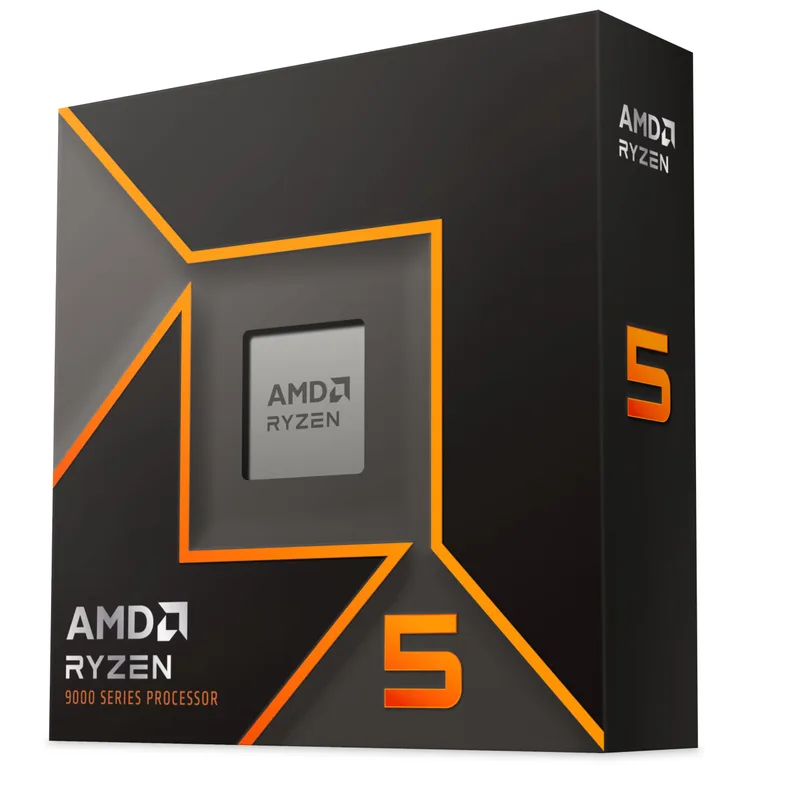
The AMD Ryzen 5 9600X is the lowest-cost entry into AM5 worth recommending for streaming in 2026. At $190, it pairs with a budget B650 board ($120-$140) for a sub-$330 CPU+motherboard combo that handles NVENC-based 1080p or 1440p streaming without bottlenecking a mid-range GPU.
Six cores at 5.4GHz keep minimum FPS high in esports titles. In CS2, Valorant, and Apex Legends, the single-threaded speed advantage means you’ll rarely see the CPU become the streaming bottleneck with NVENC enabled. Twitch and Kick’s recommended NVENC settings at 1080p 60fps put essentially zero CPU overhead on the game — the GPU does the encode.
The 65W TDP is a genuine advantage for small-form-factor and budget builds. The stock cooler included with AM5 boxed chips handles it at stock speeds. Low power draw also means lower electricity costs over a year of daily streaming.
Software x264 encoding at 1080p Medium preset is workable but will cost 10-15% gaming FPS — not ideal for competitive streaming setups. Stick to NVENC unless you’re streaming to a platform that specifically rewards x264 quality.
The big sell here is the upgrade path. Every B650 and X870 board today will accept a future Zen 5 or Zen 6 chip. Starting at $190 and upgrading to a 9800X3D or its successor costs less total than buying a high-end platform now.
Intel Core Ultra 5 245K — Best Budget Intel Streaming CPU
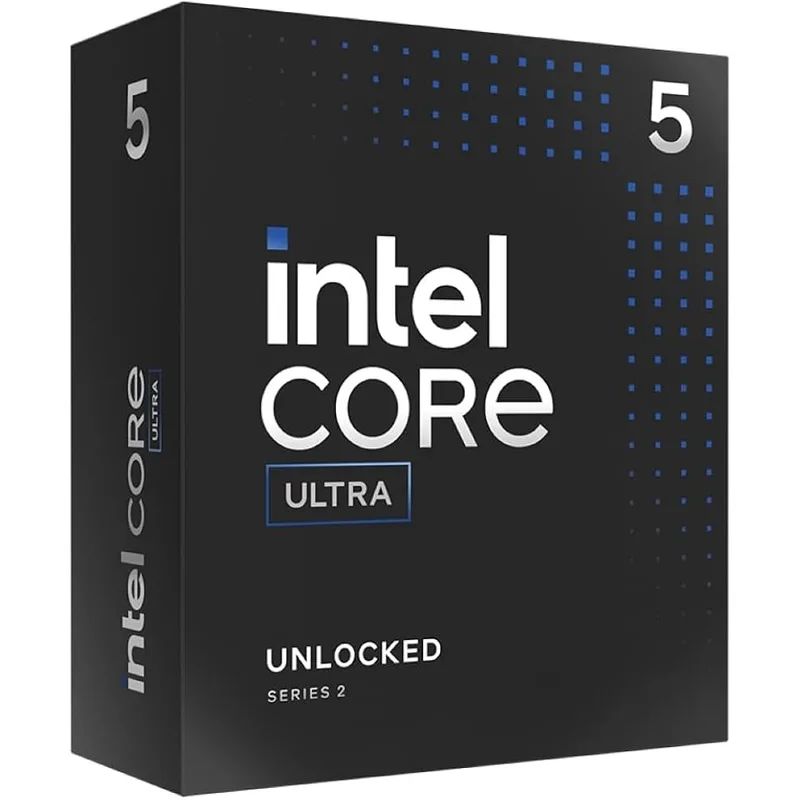
The Intel Core Ultra 5 245K is Intel’s budget streaming option for LGA1851, priced around $229. Its 14-core layout (6 P-cores + 8 E-cores) gives it strong multi-threaded throughput — 26% faster than the Ryzen 7 9700X in Cinebench R23 multi-core — while keeping power draw under 90W in mixed gaming and streaming workloads.
The E-cores absorb background streaming tasks efficiently. Running OBS at NVENC Very Fast, the 245K’s P-cores are barely touched — Discord, a browser tab, and Windows background processes all land on E-cores without affecting game performance.
The honest limitation is gaming. In CPU-limited titles, the 245K runs 12-15% slower than the Ryzen 5 9600X at similar price points — the lack of 3D V-Cache and Arrow Lake’s weaker IPC in gaming scenarios (vs. Zen 5) show up at 1080p. At 1440p and above, GPU bottlenecks mask the gap.
For LGA1851 platform builders who already own a Z890 board or are choosing Intel for other reasons (enterprise software, specific workloads), the 245K is a capable streaming chip. For a clean-sheet build at this price, the Ryzen 5 9600X edges it on gaming while costing $39 less.
FAQ
Does the CPU matter if I use NVENC or AV1 hardware encoding? Yes, but less than with software encoding. Hardware encoding offloads encode work to the GPU, so the CPU’s main job is running the game. A faster CPU still helps maintain frame consistency — especially in CPU-limited titles — and prevents background app interference from causing dropped frames.
Is the Ryzen 7 9800X3D worth the premium over the 9600X for streaming? If you play CPU-limited games at 1080p, yes — the 9800X3D’s 3D V-Cache delivers 18-22% more FPS in those scenarios, which translates to smoother stream output. At 1440p or in GPU-limited games, the gap narrows to single digits and the 9600X is the better value.
Can I use an old AM4 CPU for streaming? Older AM4 chips like the Ryzen 5 5600X still work for 1080p NVENC streaming, but they’re on an end-of-life platform with no upgrade path. If you’re building new in 2026, start on AM5.
Does AMD or Intel have better encoding performance for x264? Intel has more total cores at comparable price points (the 265K’s 20 cores vs. 9800X3D’s 8), which helps in pure x264 encoding throughput. For gaming while streaming, the 9800X3D’s higher gaming FPS matters more than thread count unless you’re running x264 Slow or Very Slow.
Do I need a special motherboard for AM5 streaming CPUs? Any AM5 board works — B650, B850, X670, or X870. You don’t need an X870 for the 9600X or 9800X3D. A B650 board in the $120-$140 range handles both chips without limitation at stock speeds.
The Bottom Line
The AMD Ryzen 7 9800X3D is the top streaming CPU for 2026 — its 3D V-Cache delivers the highest gaming FPS of any chip in the lineup, and high FPS headroom is exactly what a streaming build needs. Now available at $449, it’s more accessible than at launch. On a tight budget, the AMD Ryzen 5 9600X at $190 is the AM5 entry point with a clear upgrade path — just use NVENC and skip x264 software encoding. Intel’s Core Ultra 7 265K is worth considering at its new $259 price if you’re already on LGA1851 or prioritize encoding thread count over raw gaming FPS.