The Ryzen 5 9600X hit an all-time low of $179 in April 2026 — down from its $299 launch price — while Intel’s Core Ultra 5 245K has dropped to $219. At that spread, this comparison has become sharper than it was at launch: you’re choosing between AMD’s Zen 5 efficiency and Intel’s Arrow Lake core count at a $40 premium. Here’s what the benchmarks actually say.
| Spec | AMD Ryzen 5 9600X 9/10 | Intel Core Ultra 5 245K 7.8/10 | AMD Ryzen 5 9600 8.5/10 | Intel Core Ultra 5 245KF 7.5/10 | AMD Ryzen 7 9700X 8.8/10 |
|---|---|---|---|---|---|
| cores | 6 cores / 12 threads | 14 cores (6P + 8E) / 14 threads | 6 cores / 12 threads | 14 cores (6P + 8E) / 14 threads | 8 cores / 16 threads |
| boost_clock | 5.4 GHz | 5.2 GHz (P-core) | 5.1 GHz | 5.2 GHz (P-core) | 5.5 GHz |
| base_clock | 3.9 GHz | 4.2 GHz (P-core) | 3.7 GHz | 4.2 GHz (P-core) | 3.8 GHz |
| tdp | 65W | 125W | 65W | 125W | 65W |
| socket | AM5 | LGA 1851 | AM5 | LGA 1851 | AM5 |
| architecture | Zen 5 | Arrow Lake | Zen 5 | Arrow Lake | Zen 5 |
| Rating | 9/10 | 7.8/10 | 8.5/10 | 7.5/10 | 8.8/10 |
Prices change daily — tap Check Price for the current Amazon price.
Prices change daily — tap Check Price for the current Amazon price.
Quick Verdict
For gaming: Pick the Ryzen 5 9600X. It’s faster in games, runs cooler, costs less, and the AM5 platform has better long-term upgrade prospects.
For productivity-first builds: The Core Ultra 5 245K wins with ~50% more rendering throughput — meaningful for Blender, video encoding, and compilation.
Best budget entry: The Ryzen 5 9600 at $159 gives 95% of the 9600X’s gaming performance for $20 less.
Specs at a Glance
| Ryzen 5 9600X | Core Ultra 5 245K | |
|---|---|---|
| Architecture | Zen 5 | Arrow Lake |
| Cores / Threads | 6C / 12T | 14C (6P+8E) / 14T |
| Boost Clock | 5.4 GHz | 5.2 GHz (P-core) |
| TDP | 65W | 125W |
| Socket | AM5 | LGA 1851 |
| iGPU | No | Intel Xe |
| Price (May 2026) | ~$179 | ~$219 |
Platform Costs: The Hidden Price Gap
The sticker price is only part of the story. Factor in the motherboard and the gap widens further.
The 9600X drops into any AM5 motherboard. A solid B850 board like the MSI MAG B850 Tomahawk runs around $130-$150. Your total CPU + motherboard cost: approximately $310-$330.
The 245K requires an LGA 1851 platform. B860 boards start around $150, but to use the 245K’s unlocked multiplier for overclocking you need a Z890, which starts at $200. Call it $400-$450 for CPU + motherboard at minimum. That’s $100-$120 more platform cost before you even buy RAM.
If you’re building new or replacing a motherboard, the 9600X wins the value calculation by a wide margin.
Gaming Performance
Arrow Lake disappointed reviewers at launch and the benchmarks have settled out with Ryzen clearly ahead at the mid-range. Across multiple titles, the 9600X posts roughly 9-12% higher average frame rates than the 245K:
- Cyberpunk 2077: 9600X averages ~157 FPS vs 245K’s ~148 FPS at 1080p — a 5.9% lead
- Red Dead Redemption 2: 9600X at ~187 FPS vs 245K at ~173 FPS — a 7.8% edge
- Microsoft Flight Simulator: 9600X at ~128 FPS vs 245K at ~119 FPS — 7.3% faster
At 1440p and 4K the gap narrows because the GPU becomes the bottleneck, but in CPU-bound scenarios the 9600X consistently leads. Intel’s Arrow Lake architecture dropped hyperthreading — the 245K only gets 14 threads from 14 cores — and gaming workloads show the cost.
The 65W TDP also means the 9600X stays far cooler. Even a quality 120mm tower cooler like a Thermalright Assassin X 120 SE handles the 9600X without complaint. The 245K’s ~159W actual draw at load needs a solid 240mm AIO or a premium tower like a Noctua NH-D15.
Productivity Performance
Here the 245K’s 8 efficiency cores flip the script. In heavily multi-threaded workloads — Blender cycles renders, Handbrake video encoding, large compilation jobs — the 245K’s 14-core configuration outperforms the 9600X by approximately 50%.
For content creators running Blender alongside a game, or developers doing large code compilations, the 245K’s core count delivers noticeably shorter wait times. The 6P+8E hybrid architecture handles background tasks on efficiency cores so P-cores stay available for foreground work — a genuine advantage in mixed workloads.
If productivity is more than 25% of your workload, the 245K premium starts making sense. If you game primarily and encode occasionally, the 9600X handles light productivity tasks fine — it’s not slow, the 245K is just measurably faster.
The Case for Going to Ryzen 7 9700X
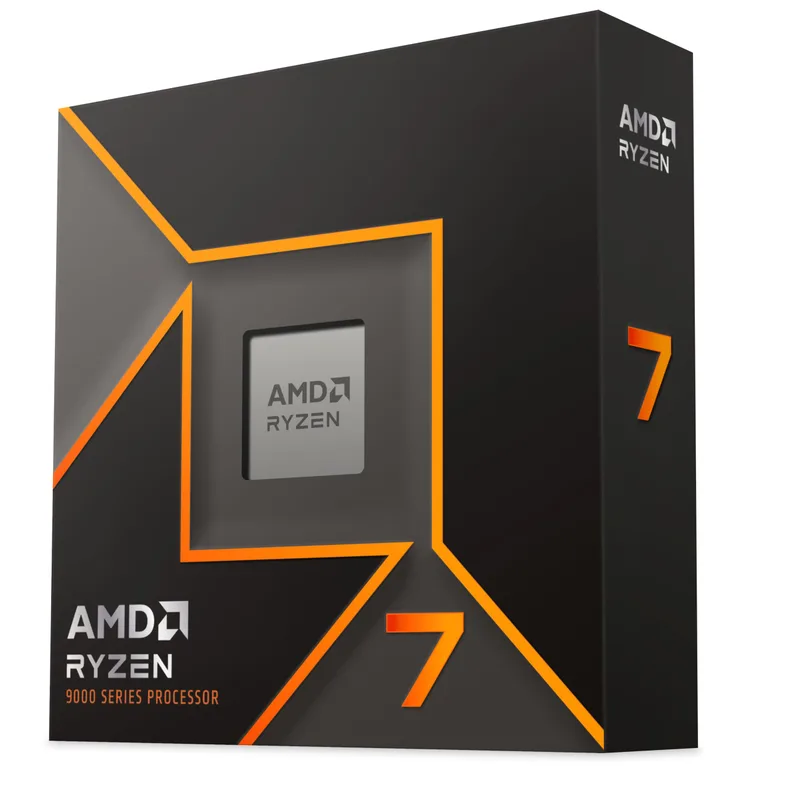
If you want more cores on AM5 without touching Intel’s platform, the Ryzen 7 9700X adds 2 more Zen 5 cores for $299. You stay on AM5, keep the 65W TDP, and get ~25% more multi-threaded throughput over the 9600X. It doesn’t close the gap with the 245K in pure rendering, but it closes most of it — and you keep the gaming lead and the upgrade path.
The 9700X makes more sense than the 245K for mixed-use builds unless your rendering workload specifically favors Intel’s efficiency core architecture.
Product Reviews
1. AMD Ryzen 5 9600X — Best Gaming Value
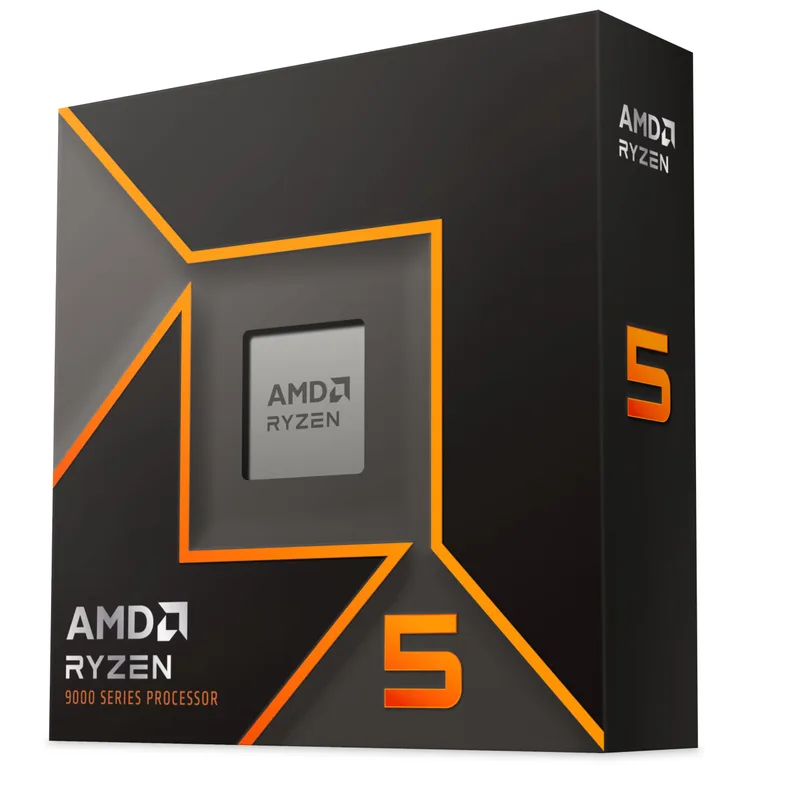
The 9600X is the easy recommendation for any gaming-first mid-range build in 2026. At $179 — an all-time low as of April — it delivers gaming performance that consistently beats the 245K while consuming less than half the power. Zen 5’s IPC improvements over Zen 4 are real: across single-threaded workloads the 9600X pulls ahead of its own predecessor by 15-17% at the same clock speeds.
The AM5 socket locks in your upgrade path. When Zen 6 arrives, this motherboard stays. The included Wraith Stealth cooler handles the 65W TDP for day-to-day use, though a $25-$30 aftermarket cooler will lower temps and noise under extended gaming loads.
The one genuine limitation: no integrated graphics. If your GPU dies, you can’t get a POST screen without a spare card. For most builders that’s a non-issue, but it’s worth knowing.
2. Intel Core Ultra 5 245K — Productivity Specialist
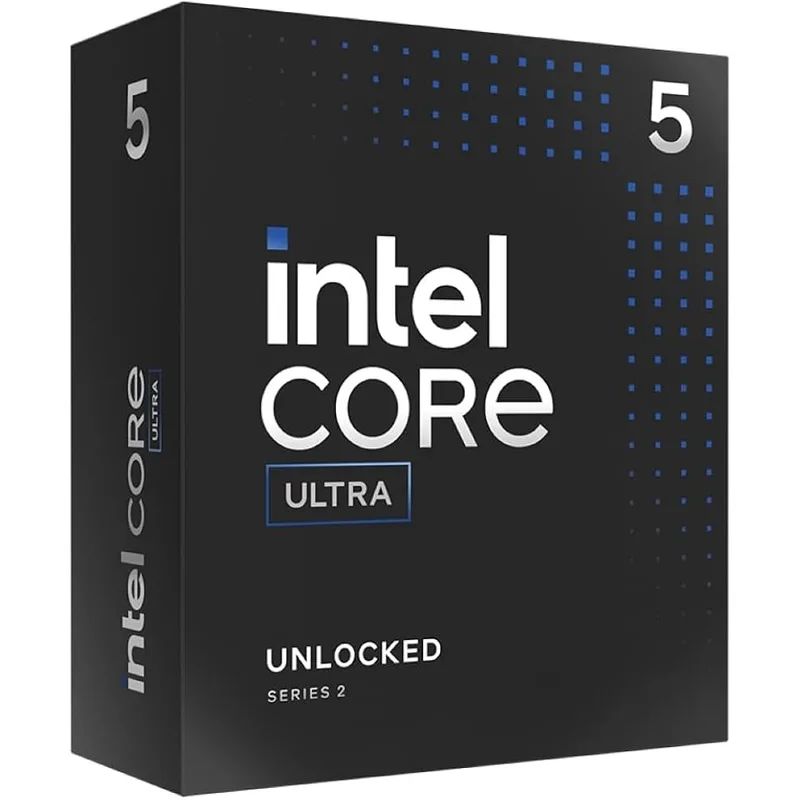
The 245K makes a specific case: 14 cores for $219, with productivity throughput that leaves the 6-core 9600X behind in multi-threaded workloads. Blender renders finish in roughly two-thirds the time, Handbrake encodes move faster, and the 8 efficiency cores absorb background work without stealing from P-core tasks.
Arrow Lake was controversial at launch because of its gaming regression versus Raptor Lake, and that reputation is deserved. The 245K genuinely loses 7-12% of frame rates to the cheaper 9600X in gaming. Intel has pushed microcode updates that recovered some ground, but the gap remains.
Where the 245K belongs: a workstation-adjacent build used for game streaming with simultaneous encoding, video editing alongside light gaming, or development where compile times matter. Pure gaming builds should look elsewhere.
The integrated Xe graphics is a minor but real convenience — you can troubleshoot display issues without a working GPU, a small quality-of-life win in a productivity machine.
3. AMD Ryzen 5 9600 — Budget AM5 Entry
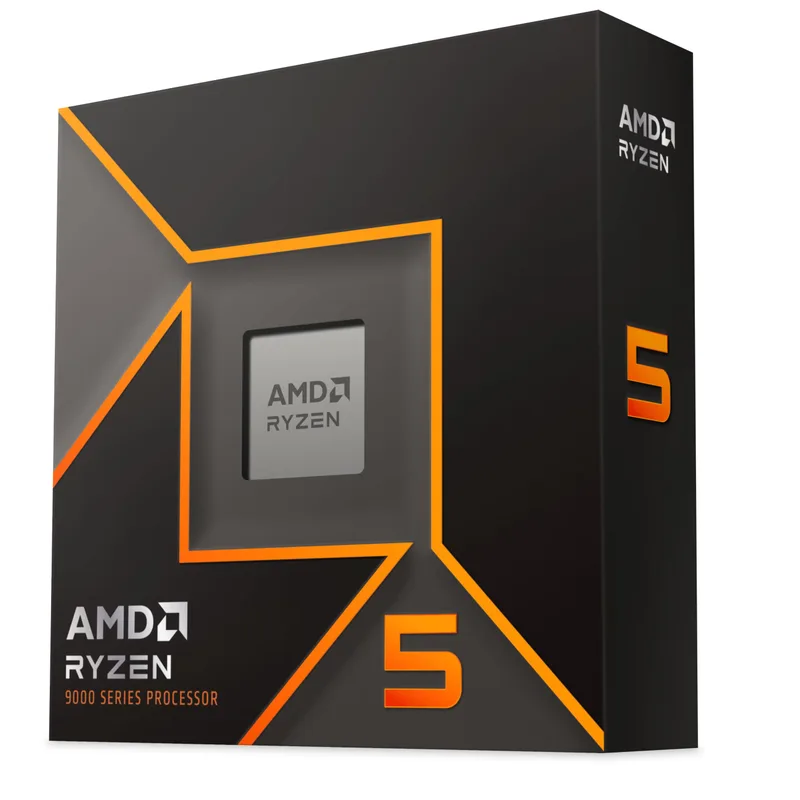
The non-X Ryzen 5 9600 is worth considering if the 9600X feels like overkill for your budget. At $159, the $20 savings buys a chip that performs within 5% of the 9600X in most gaming scenarios — the 0.3 GHz lower boost clock (5.1 vs 5.4 GHz) shows up mainly in CPU-limited benchmarks at 1080p.
For 1440p gaming builds where the GPU is typically the bottleneck, the 9600 and 9600X are effectively tied in real-world play. The 9600 is not unlocked for overclocking, so if you want to push frequencies you’ll need to step up. But most users running a B850 board with XMP DDR5-6000 won’t notice the difference from the base clocks.
Same 65W TDP, same AM5 socket, same upgrade path.
4. Intel Core Ultra 5 245KF — Intel’s Value Variant
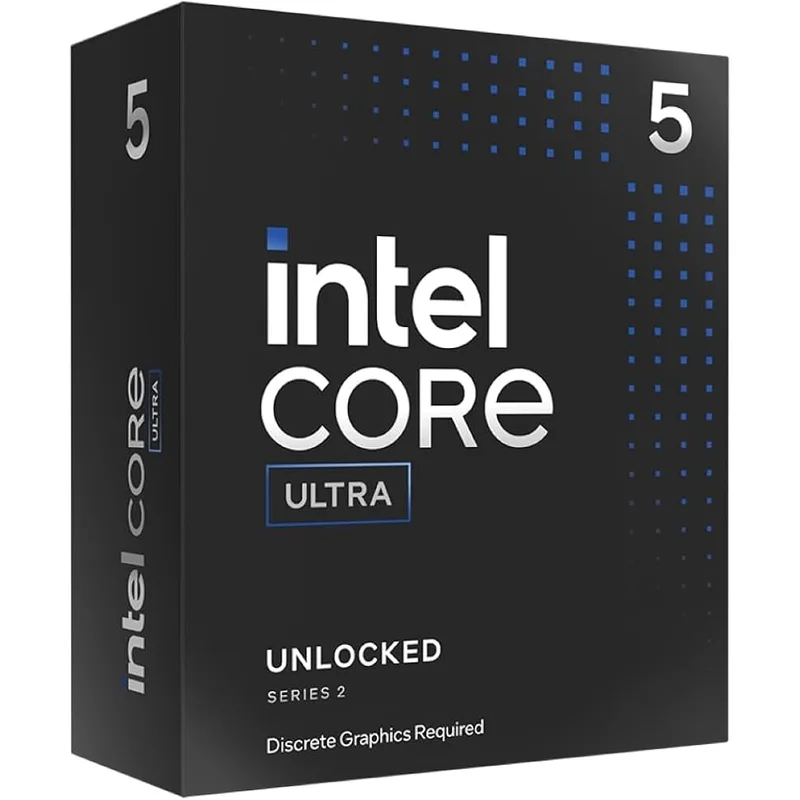
The 245KF is the 245K without integrated graphics, priced $20 lower at around $229. If you’re buying a discrete GPU anyway — which you are, for gaming — the 245KF makes more financial sense than the 245K. CPU performance is identical, and the $20 gap between them can buy a slightly better cooler.
The same caveats apply as the 245K: gaming performance trails AM5 chips in this price range, and the platform still costs more. But if you’ve already committed to the Intel platform (existing LGA 1851 board, or a B860 bundle deal), the 245KF is the sensible buy over the 245K.
Note that overclocking on the 245KF still requires a Z890 board. B860 boards lock base-clock adjustments.
5. AMD Ryzen 7 9700X — The Step-Up Option
The Ryzen 7 9700X is a different proposition: 8 Zen 5 cores at 65W for $299. For builders who want AM5 with more multi-threaded headroom, it closes most of the gap to the 245K’s throughput while keeping the gaming advantage and the AM5 upgrade path.
Compared to the 9600X, the 9700X adds 2 cores and a higher 5.5 GHz boost clock. In gaming the difference is small — GPU bottlenecks dominate at 1440p and 4K. In productivity, 8C/16T handles streaming, light rendering, and multitasking noticeably better than 6C/12T.
The 9700X doesn’t have 3D V-Cache. For maximum gaming performance in CPU-limited titles, the 9800X3D at $420 is in a separate league. The 9700X sits between the 9600X and 9800X3D — better for mixed-use, still short of the gaming flagship.
Platform Decision Guide
Before picking a CPU, decide on your platform:
Build AM5 if: Gaming is your primary focus, you want the lowest platform cost, or you plan to upgrade the CPU again in 2-3 years (Zen 6 will use AM5).
Build LGA 1851 if: You’re running a heavily multi-threaded workload daily, already own a Z890 or B860 board, or the 245K specifically is on sale at $229 or below.
PSU requirements: The 9600X pairs well with a 550W PSU in a mid-range build. The 245K draws more at peak and benefits from 650W or higher — especially with a high-end GPU alongside it.
Cooler requirements: 9600X — any quality 120mm tower or the stock cooler handles it fine. 245K — budget $40-$60 for a decent 120mm AIO or Noctua NH-U12S class tower cooler minimum.
FAQ
Does the Core Ultra 5 245K close the gap with microcode updates? Intel has released several Arrow Lake microcode updates since launch, recovering some gaming performance. According to user reports and review site retests, the updates helped but the 9600X still leads by ~7-10% on average in gaming workloads as of early 2026.
Can the Ryzen 5 9600X run without a GPU? No. The 9600X has no integrated graphics. You need a discrete GPU or you won’t get a display signal. The Core Ultra 5 245K has Intel Xe graphics for basic display output.
What motherboard should I pair with the 9600X? A B850 board is the sweet spot. The MSI MAG B850 Tomahawk (~$150) or Gigabyte B850 Aorus Elite ICE are solid picks with DDR5-6000 support and good VRM quality for the 65W chip.
Is the Ryzen 5 9600X good for streaming? At 6 cores it handles 1080p/60fps x264 streaming alongside gaming, but 1080p/60fps NVENC or AV1 streaming off a modern GPU is better. For 1440p/60fps software streaming, the 9700X or 9800X3D give noticeably more headroom.
Will the Ryzen 5 9600X work with DDR4? No. AM5 is DDR5-only. Budget for DDR5-6000 32GB (~$80-$100 for a value kit) when pricing out your build.
The Bottom Line
At current pricing, the Ryzen 5 9600X at $179 is the stronger choice for gaming builds. It outperforms the Core Ultra 5 245K by 9-12% in gaming, runs 65W vs 125W+, and sits on a platform that costs $40-$70 less to build around. The Core Ultra 5 245K at $219 earns its premium only if multi-threaded productivity throughput is a daily driver — rendering, encoding, compilation — where its 14-core count genuinely accelerates workloads. For the majority of mid-range gaming builds in 2026, Zen 5 wins the value calculation.