The RTX 5060 Ti is getting harder to buy in the 16GB form. Industry reports in 2026 say NVIDIA is shifting production toward 8GB cards as GDDR7 prices climb, and ASUS has reportedly stopped making its 16GB TUF model, so many board partner models are out of stock on Amazon right now. The five cards below are the ones we could confirm in stock this week: four 16GB boards and one 8GB card. Every one uses the same Blackwell GB206 chip with 4,608 CUDA cores, so the real differences are VRAM, cooler size and stock.
| Spec | ASUS Dual GeForce RTX 5060 Ti 16GB OC 8.6/10 | ASUS Prime GeForce RTX 5060 Ti 16GB GDDR7 OC Edition 8.4/10 | GIGABYTE RTX 5060 Ti Gaming OC 16G 8.5/10 | PNY GeForce RTX 5060 Ti 16GB OC Dual Fan 8.2/10 | ASUS Dual GeForce RTX 5060 Ti 8GB OC 7/10 |
|---|---|---|---|---|---|
| Architecture | Blackwell (GB206) | Blackwell (GB206) | Blackwell (GB206) | Blackwell (GB206) | Blackwell (GB206) |
| VRAM | 16GB GDDR7, 128-bit | 16GB GDDR7, 128-bit | 16GB GDDR7, 128-bit | 16GB GDDR7, 128-bit | 8GB GDDR7, 128-bit |
| Boost Clock | 2572 MHz | — | 2647 MHz | 2692 MHz | — |
| TDP | 180W | 180W | — | 180W | 180W |
| Form Factor | 2.5-slot, dual fan | — | — | — | — |
| Rating | 8.6/10 | 8.4/10 | 8.5/10 | 8.2/10 | 7/10 |
Prices change daily — tap Check Price for the current Amazon price.
Prices change daily — tap Check Price for the current Amazon price.
Quick Picks
- Best overall: the ASUS Dual 16GB. It has the compact 2.5-slot cooler, 0dB fan mode and the full 16GB, and it fits almost any case.
- Best cooling: the GIGABYTE Gaming OC 16G. Three WINDFORCE fans give it the most thermal headroom, at the cost of a 281 mm length.
- Smallest 16GB card: the PNY Dual Fan OC. At about 245 mm it clears tight mATX layouts, and it carries the highest factory boost clock on the list.
Buying Guide
16GB or 8GB
This is the decision that matters most, and the board partner you choose matters far less. Average frame rates are close at 1080p, but 8GB starts to fail in texture-heavy games at 1440p, especially with ray tracing on. If you play at 1440p, buy 16GB. We cover the gap in detail in our RTX 5060 Ti 8GB vs 16GB comparison. The 8GB card only makes sense for 1080p or esports play on a tight budget.
Factory Overclocks Are Small
The boost clocks in this list run from 2572 MHz to 2692 MHz, a spread of about 5 percent. In games that works out to a couple of frames per second at most, because all of these cards hit the same 180W power limit and share the same 448 GB/s of memory bandwidth. Pay for cooling, size and stock, not for the clock.
Size and Case Fit
The ASUS Dual and PNY cards are dual-fan boards that fit compact builds. The GIGABYTE is a 281 mm triple-fan card. Check your case’s maximum GPU length and the 2.5-slot clearance before you order. If you are building small, our guide to cases that fit large GPUs covers clearance limits.
Power Supply
Every card here is rated at 180W. A quality 600W to 650W power supply is enough with a mainstream CPU. The GIGABYTE and PNY cards use a single 8-pin connector according to their spec listings, so confirm your PSU has one free before buying.
Stepping Up
If you want more than 16GB can offer at 1440p, the RTX 5070 is the next real step. Our RTX 5060 Ti vs RTX 5070 comparison and RTX 5070 card roundup lay out what the extra money buys.
Detailed Reviews
1. ASUS Dual GeForce RTX 5060 Ti 16GB OC
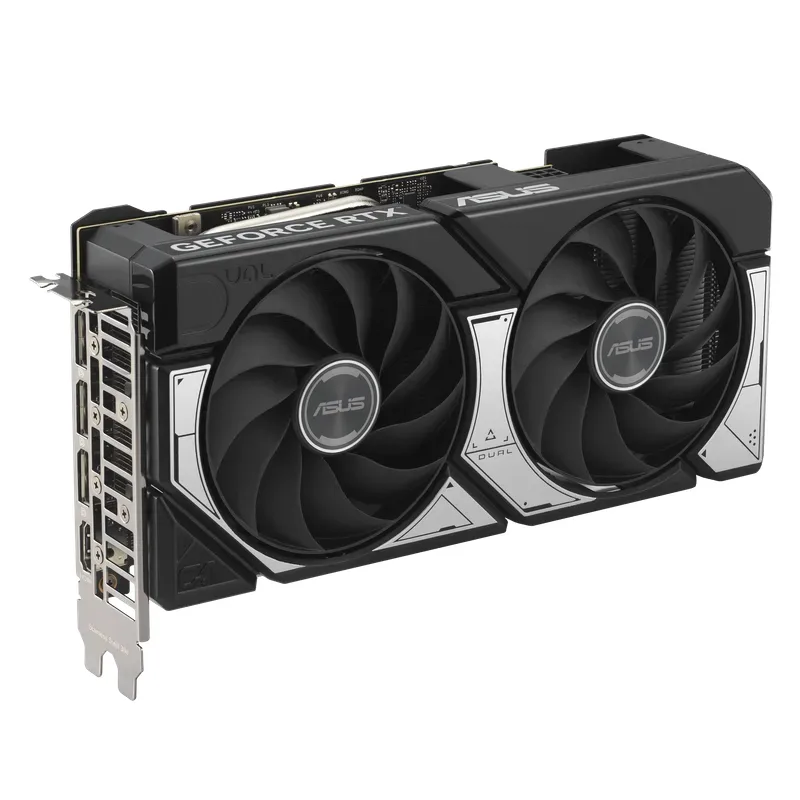
The Dual is the simplest recommendation. It uses the full 16GB configuration with a 2.5-slot, two-fan cooler that fits most cases, and its 2572 MHz boost clock is the lowest of the 16GB cards. Owner reports describe it as quiet, helped by the 0dB mode. Its smaller cooler runs a few degrees warmer than a triple-fan design under long loads, which does not change gaming performance at this power level.
2. ASUS Prime GeForce RTX 5060 Ti 16GB GDDR7 OC Edition
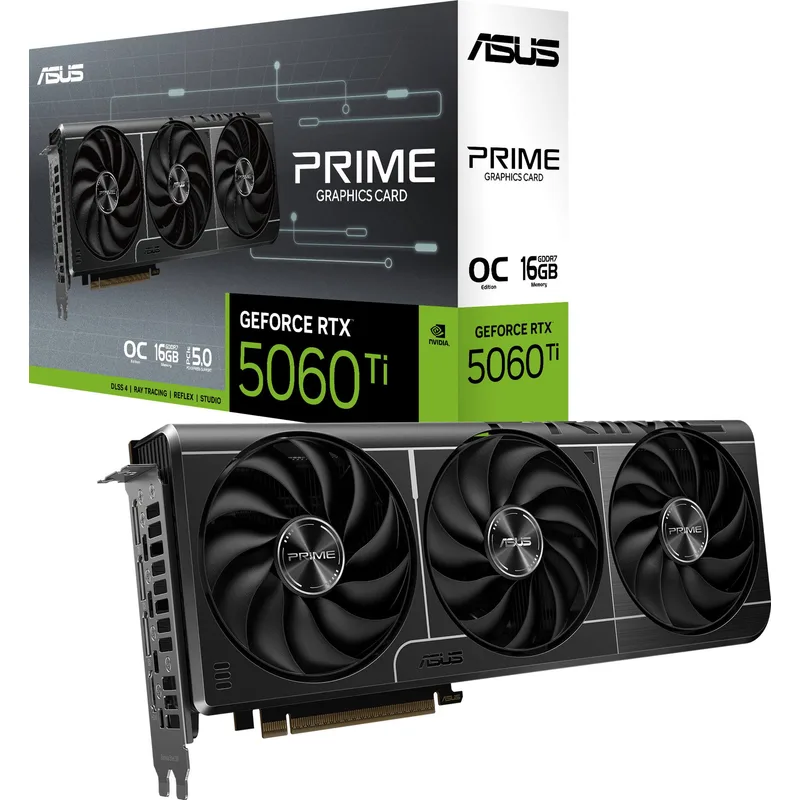
ASUS Prime GeForce RTX 5060 Ti 16GB GDDR7 OC Edition
The Prime shares its GPU, memory and 180W limit with the Dual, so you are paying for ASUS’s Prime design and build rather than speed. It supports DLSS 4 Multi Frame Generation and the 9th-generation NVENC encoder with AV1, which makes it a solid choice for a combined gaming and streaming PC. If the Dual is in stock for less, take the Dual.
3. GIGABYTE RTX 5060 Ti Gaming OC 16G
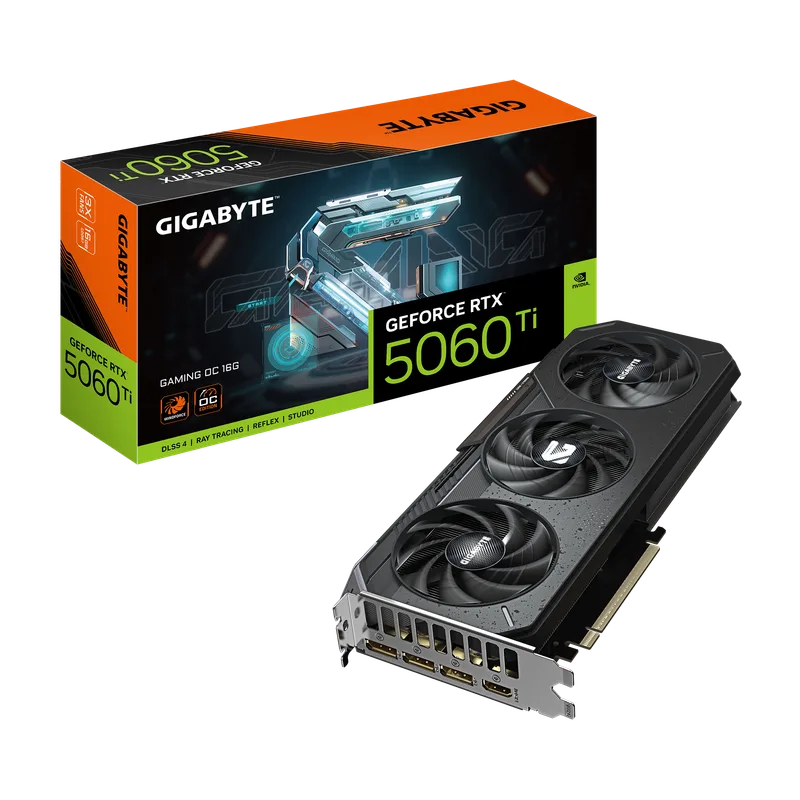
GIGABYTE’s three-fan WINDFORCE cooler is the largest on the list at 281 mm by 119 mm by 40 mm. That extra surface gives it the lowest fan speeds under a sustained load, and its 2647 MHz boost clock is the second highest. It needs roomier cases and, at the time of writing, stock is scarce. Grab it when it is available if you have the space.
4. PNY GeForce RTX 5060 Ti 16GB OC Dual Fan
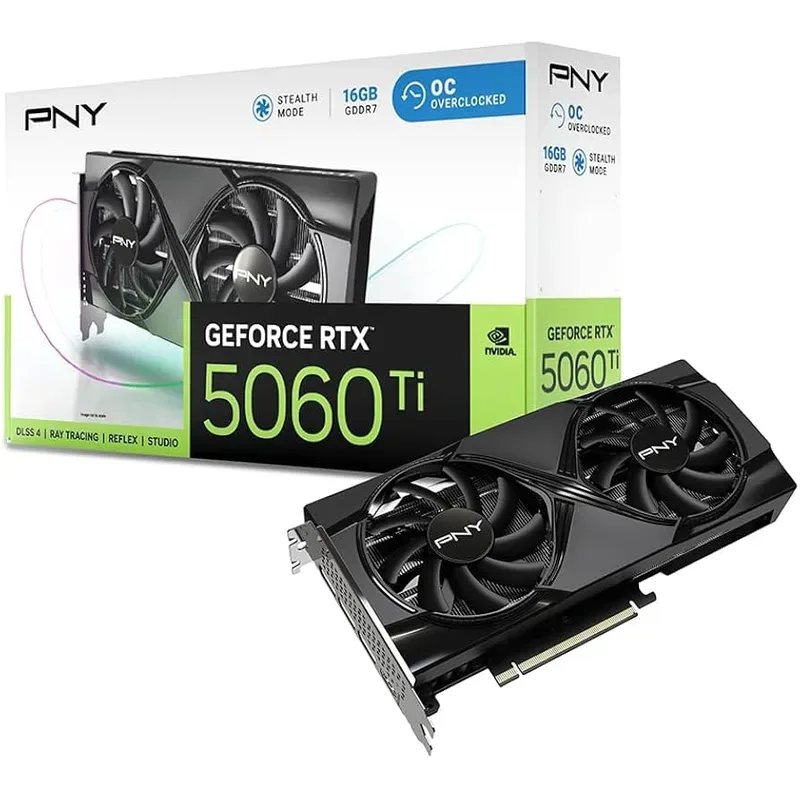
PNY’s dual-fan card measures about 245 mm and carries the highest factory boost clock here at 2692 MHz, according to its spec listing. It suits mATX and compact ATX builds where the GIGABYTE will not fit. The trade-offs are a cooler with less headroom and a lighter software and lighting package than the ASUS or GIGABYTE cards.
5. ASUS Dual GeForce RTX 5060 Ti 8GB OC
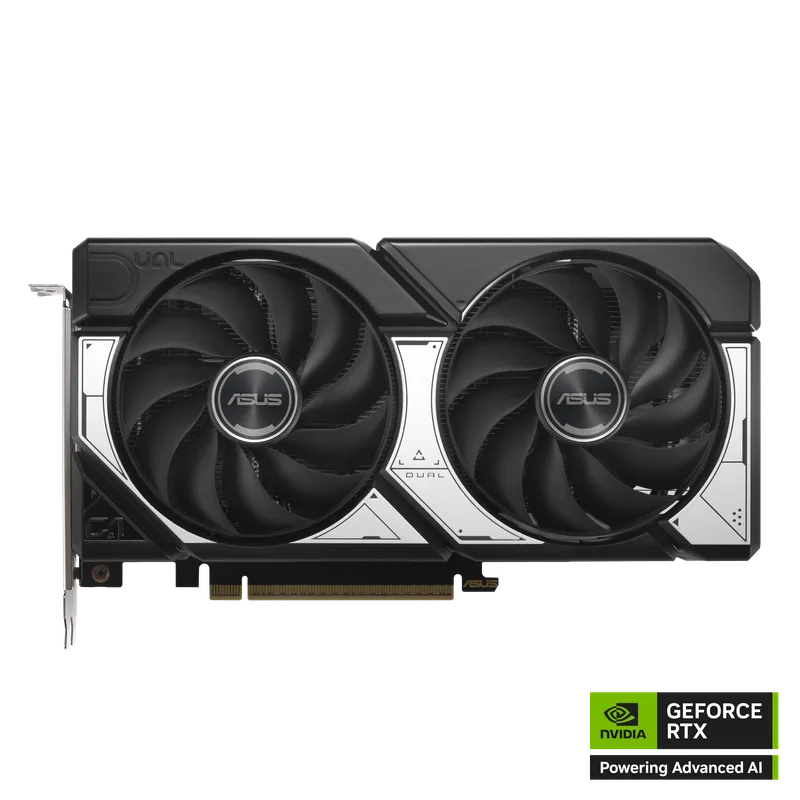
The 8GB Dual makes sense for one buyer: someone playing at 1080p, or at 1440p in esports and older games, who wants the cheapest RTX 5060 Ti. It will match the 16GB card in plenty of those games. For a card you plan to keep for several years, the 8GB limit is the risk, and the GPU cannot be upgraded after purchase.
FAQ
Is the RTX 5060 Ti 16GB worth it over the 8GB?
For 1440p, yes. The two cards share the same chip and bandwidth, but 8GB runs out in recent texture-heavy games, which shows up as stutter and poor 1% lows. At 1080p in esports titles the gap is small.
What power supply does an RTX 5060 Ti need?
All the cards here are 180W, and a 600W to 650W power supply from a reputable brand covers a typical build. Check that you have the 8-pin connector the specific card requires.
Does it support DLSS 4?
Yes. Every RTX 5060 Ti supports DLSS 4 with Multi Frame Generation, plus PCIe 5.0, DisplayPort 2.1 and AV1 encoding.
Should I wait for the RTX 5060 Ti to come back in stock?
Several popular models, including the ASUS TUF, MSI Gaming and ZOTAC Twin Edge cards, are out of stock on Amazon this week. If one of the in-stock cards here fits your case, buying now is safer than waiting on a model whose 16GB production may be shrinking.
The Bottom Line
The ASUS Dual 16GB is the card to buy for most people: full 16GB, a compact cooler and wide case compatibility. Choose the GIGABYTE Gaming OC 16G if you have room and want the coolest, quietest operation, or the PNY Dual Fan OC if length is your constraint. Skip the 8GB card unless you are staying at 1080p.