The sub-$300 CPU market in 2026 is more competitive than it’s been in years. Intel dropped the Core Ultra 5 245K to its lowest-ever price of $179.99 in July 2026 — down 42% from its $310 launch MSRP — while AMD’s Ryzen 5 9600X now sits at $179 on Zen 5 silicon with a long AM5 upgrade path ahead. Intel also launched the Core Ultra 5 250K Plus in March 2026 with 18 cores and performance that closes most of the gap with AMD in gaming while demolishing it in multi-threaded workloads. Building fresh on AM5 or LGA1851, upgrading an older LGA1700 rig — each scenario has a clear winner below.
| Spec | AMD Ryzen 5 9600X 9.2/10 | Intel Core Ultra 5 250K Plus 8.8/10 | AMD Ryzen 7 9700X 8.5/10 | Intel Core Ultra 5 245K 8.2/10 | Intel Core i5-14600KF 7.8/10 |
|---|---|---|---|---|---|
| Cores / Threads | 6C / 12T | 18C (6P+12E) / 24T | 8C / 16T | 14C (6P+8E) / 14T | 14C (6P+8E) / 20T |
| Boost Clock | 5.4 GHz | 5.3 GHz | 5.5 GHz | 5.2 GHz | 5.3 GHz |
| Architecture | Zen 5 (AM5) | Arrow Lake Refresh (LGA1851) | Zen 5 (AM5) | Arrow Lake (LGA1851) | Raptor Lake Refresh (LGA1700) |
| TDP | 65W | 159W | 65W | 125W | 125W |
| Cache | 38MB L3 | 30MB L3 | 40MB L3 | 24MB L3 | 24MB L3 |
| Memory Support | DDR5-5600 | DDR5-6400 | DDR5-5600 | DDR5-6400 | DDR4 / DDR5 |
| Rating | 9.2/10 | 8.8/10 | 8.5/10 | 8.2/10 | 7.8/10 |
Prices change daily — tap Check Price for the current Amazon price.
Prices change daily — tap Check Price for the current Amazon price.
Quick Picks
- Best overall: AMD Ryzen 5 9600X — 6 Zen 5 cores at $179, excellent gaming performance, 65W efficiency, long AM5 upgrade path.
- Best for content creators: Intel Core Ultra 5 250K Plus — 18-core Arrow Lake Refresh at $229, 85% faster in multi-core than the 9600X, within 2% in gaming.
- Best 8-core: AMD Ryzen 7 9700X — 8 Zen 5 cores and 5.5 GHz boost at $269, the highest core-count AMD option under $300.
Buying Guide: What to Know Before Choosing
AM5 vs. LGA1851 vs. LGA1700
AM5 (Ryzen 5 9600X, Ryzen 7 9700X): AMD has committed to AM5 through at least 2027, meaning your B650 or B850 board can accept a Ryzen 7 9800X3D down the road. If you’re building new, AM5 is the platform with the longest runway. Entry B650 boards start around $100, while B850 boards with PCIe 5.0 storage and Wi-Fi 7 run $140–$180.
LGA1851 (Core Ultra 5 245K, Core Ultra 5 250K Plus): Intel’s current platform. The 250K Plus arrived in March 2026 and supports the same Z890 boards as the original 200-series. If you already have an 800-series board, the 250K Plus is a drop-in upgrade. Intel has been less specific about LGA1851 longevity, but the platform is at least 2 generations deep now.
LGA1700 (Core i5-14600KF): This platform is end-of-life. 14th Gen is the last CPU Intel will release for LGA1700. The upside is the fire-sale pricing: B760 boards are available for under $80, and the 14600KF drops in for a budget all-in cost that can be $50–$80 cheaper than a comparable AM5 build — if you don’t care about upgrading the CPU later.
Gaming vs. Productivity Priorities
For pure gaming, the Ryzen 5 9600X wins on value. Six Zen 5 cores is sufficient for 99% of gaming workloads in 2026, and the 65W TDP means you don’t need an expensive cooling solution. If you stream or render in the background while gaming, the Core Ultra 5 250K Plus is the better call — its 12 Efficiency cores absorb background tasks without pulling resources from the P-cores that handle your game.
For video editing, Blender rendering, or 3D work, the 250K Plus is the top pick at this price tier. It matches the Core Ultra 7 265K in Cinebench 2026 multi-core, at $70 less. The Ryzen 7 9700X is competitive in creative workflows but the 250K Plus’s extra cores give it an edge in sustained render workloads.
Cooler Requirements
The 9600X and 9700X are both 65W chips — a $35 tower air cooler like the Thermalright Peerless Assassin 120 is plenty. The Core Ultra 5 245K (125W) and i5-14600KF (125W) both need something more capable, like a 240mm AIO or a large dual-tower. The Core Ultra 5 250K Plus runs at 159W under sustained load and genuinely benefits from a 360mm AIO if you’re pushing multi-threaded workloads hard — though it will throttle to manageable temps with a quality 240mm.
Memory: How Much DDR5 Speed Do You Need?
Both AMD Zen 5 chips officially support DDR5-5600 but run well at DDR5-6000 with XMP/EXPO enabled. Intel’s LGA1851 chips support DDR5-6400. For gaming, DDR5-6000 CL30 is the sweet spot for price versus performance — spending more on DDR5-7200+ doesn’t return proportional FPS gains in most titles.
Detailed Reviews
1. AMD Ryzen 5 9600X — Best Gaming CPU for the Money
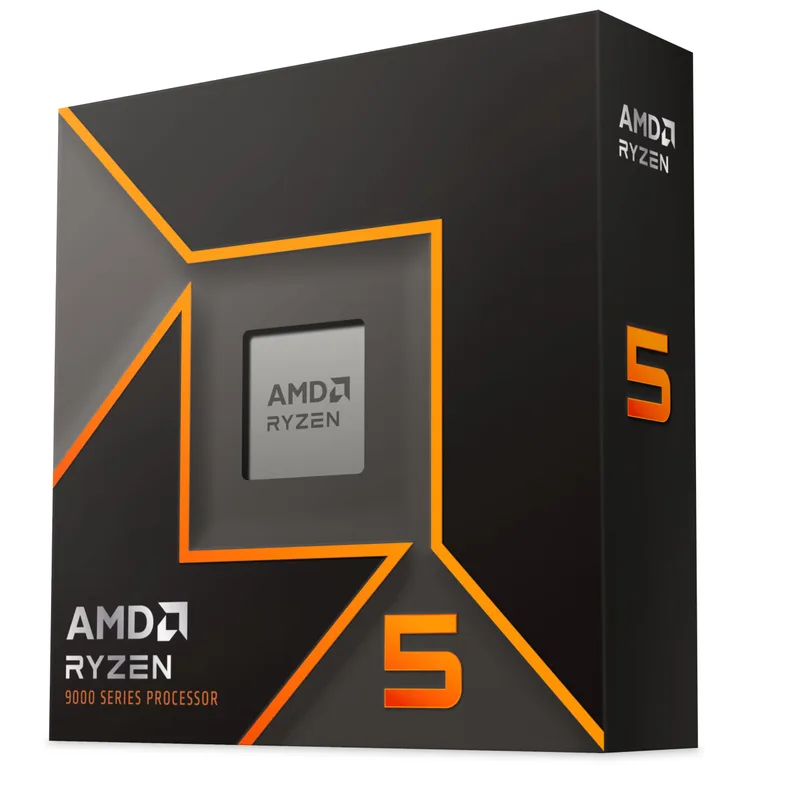
The Ryzen 5 9600X is the chip that makes the most sense for most builders in August 2026. At $179, it’s priced identically to the Intel Core Ultra 5 245K but brings Zen 5’s IPC improvements to a 65W envelope that runs cool on a budget cooler. Owner reports on Reddit’s r/buildapc consistently show the 9600X hitting 1080p and 1440p gaming frame rates that were exclusive to $300+ chips a year ago.
Compared to the Ryzen 5 7600X it replaces, the 9600X offers roughly 8–12% more IPC due to the Zen 5 microarchitecture. In practice, that means you’re getting more than just a rebadge — titles that push single-thread performance, like Cyberpunk 2077 and Hogwarts Legacy, show the difference.
The main limitation is core count. In heavily threaded workloads — 4K video encoding in Handbrake, Blender CPU rendering, simulation-heavy games — the 9600X falls behind the 250K Plus’s 12 Efficiency cores. If your workflow is gaming-first with light secondary tasks, that won’t matter. If you want one chip for gaming AND a YouTube channel, look at the 250K Plus instead.
Pairs well with: Any B650 or B850 AM5 motherboard. For a no-fuss build, the MSI PRO B650-P WiFi pairs well at around $110.
2. Intel Core Ultra 5 250K Plus — Best Multi-Threaded Value
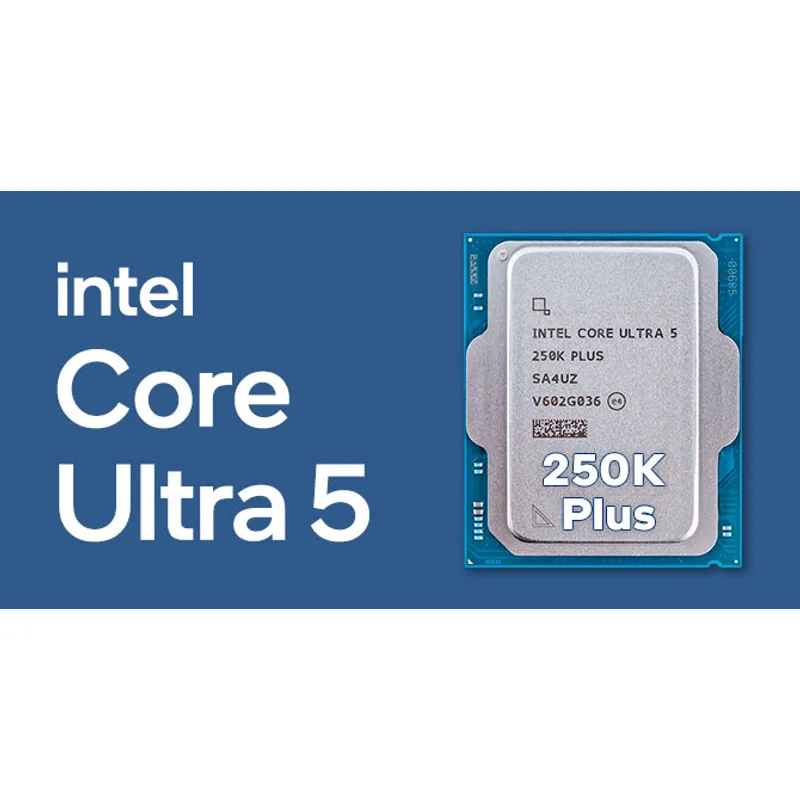
The Core Ultra 5 250K Plus launched in March 2026 as Intel’s answer to ongoing criticism that Arrow Lake’s original 200K series underperformed in gaming. The fix worked: according to GamersNexus and Tom’s Hardware reviews, the 250K Plus runs within 2% of the Ryzen 5 9600X across 14 gaming titles at medium quality settings — a drastic improvement over the original 245K’s results.
Where the 250K Plus genuinely separates itself is multi-threaded performance. The 12 Efficiency cores are put to work in Cinebench 2026, where it scores 85% higher than the 9600X, and it matches the much more expensive Core Ultra 7 265K in sustained Blender workloads. For a creator who games, streams, and occasionally renders — all on a $229 chip — this is the best value Intel has offered at this price point in years.
The tradeoff is power. The 250K Plus pulls 159W under full multi-core load, which means thermal management matters. Owner reports flag that pairing it with a cheap 120mm air cooler results in throttling under sustained workloads. Budget $60–$80 for at minimum a 240mm AIO. The platform also requires DDR5 and a Z890 motherboard, which starts around $170 for the MSI PRO Z890-P.
Pairs well with: Corsair iCUE LINK Titan 360 RGB for cooling, or a be quiet! Pure Rock 2 FX if you prefer air and don’t push sustained multi-thread workloads.
3. AMD Ryzen 7 9700X — Best 8-Core Under $300
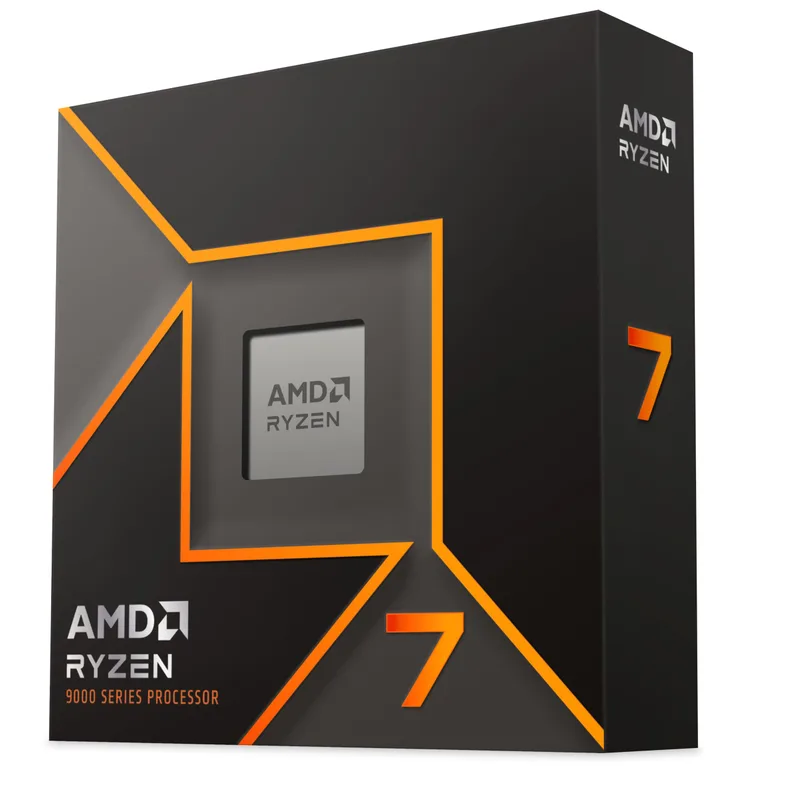
The Ryzen 7 9700X is the highest-core-count Zen 5 chip you can get for under $300, and it brings AMD’s efficiency story to 8 cores. The 65W TDP is the standout spec — the 9700X delivers more gaming performance than the old Ryzen 7 7700X (which ran at 105W) while drawing significantly less power. According to manufacturer specs, it boosts to 5.5 GHz, the fastest single-clock in the sub-$300 AMD lineup.
The challenge for the 9700X is positioning. The Ryzen 5 9600X at $179 gets within 5–8% in most gaming workloads for $90 less. The Ryzen 7 9800X3D — AMD’s 3D V-Cache flagship — is only about $90 more and dominates in cache-sensitive games. The 9700X occupies a middle ground that’s harder to justify: better than the 9600X in productivity, but not as fast as the 9800X3D in gaming, and not as fast as the 250K Plus in raw multi-thread.
That said, the 9700X earns its place for builders who want a single well-rounded AM5 chip that handles gaming, light streaming, and office productivity without needing to shop around. The 40MB L3 cache (10MB more than the 9600X) helps in open-world titles and RTS games where cache pressure matters.
Socket: AM5 — compatible with B650, X670E, and B850 motherboards.
4. Intel Core Ultra 5 245K — Best Clearance Deal for Intel Builders
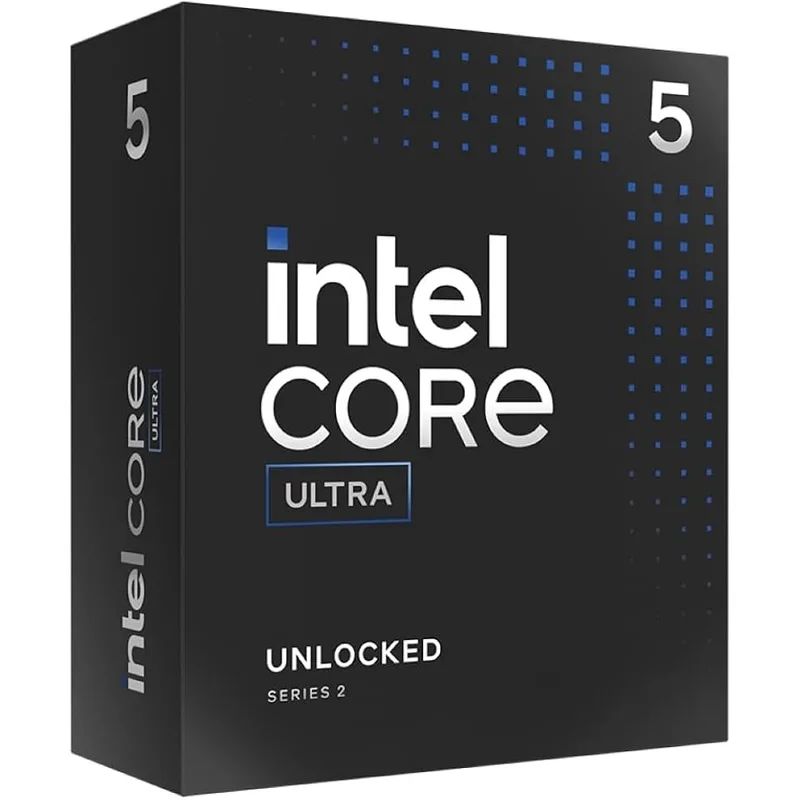
The Core Ultra 5 245K hit an all-time low of $179.99 on Amazon in July 2026 — 42% below its $310 launch MSRP from late 2024. At that price, it’s direct competition for the Ryzen 5 9600X: same price, same general gaming tier, but on Intel’s LGA1851 platform with PCIe 5.0 and DDR5-6400 support.
The reason the 245K trails our top picks in ranking is context. The 250K Plus arrived on the same platform at $229 with meaningfully better specs — 18 cores vs. 14, better multi-thread, and a refined Arrow Lake microarchitecture. If you’re building on LGA1851 from scratch, the 250K Plus is the smarter buy at $49 more. The 245K makes the most sense for builders who find it at a deep discount, are upgrading an existing 800-series board, or want the cheapest possible entry to a current Intel platform.
Gaming benchmarks from owner reports place the 245K within 3–5% of the 9600X in most titles — close enough that it’s not a dealbreaker, just not dominant either. The lack of a box cooler and integrated graphics (this is the K variant, not KF, but Intel’s flagship unlocked chips don’t include graphics anyway) means you need a discrete GPU regardless.
Platform note: Requires an Intel 700-series or 800-series (Z790, Z890) motherboard.
5. Intel Core i5-14600KF — Best for LGA1700 Platform Builders
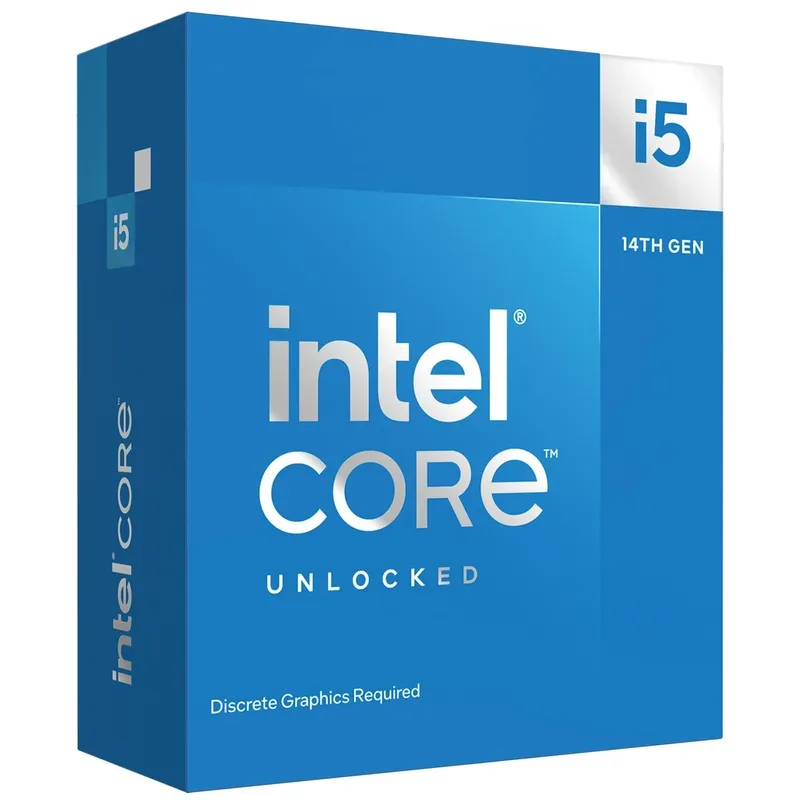
Intel Core i5-14600KF
The Core i5-14600KF is the only legacy-platform chip on this list, and it’s here for one reason: cost-efficiency for people buying into a complete system on a tight budget. B760 boards are selling for as low as $75 in 2026, and the 14600KF at $239 brings 14 cores and 20 threads to that cheap platform — which can undercut a comparable AM5 build by $50–$80 on the total motherboard+CPU cost.
The 14-core (6P+8E) Raptor Lake Refresh design performs well in gaming at 1080p and 1440p, and the 20-thread count keeps it competitive in light content creation and code compilation. Owner reports note smooth gaming performance in titles like Call of Duty, Fortnite, and Baldur’s Gate 3 — workloads where 14th Gen still holds up fine.
The critical caveat: LGA1700 is a dead platform. Intel has moved to LGA1851. If you buy a B760 board and a 14600KF today, you cannot upgrade to a newer Intel CPU in two years without buying a new board. Pair this with DDR4 from an existing build and you can stretch a modest budget significantly — but go in with eyes open about the upgrade ceiling.
Not recommended for new builds from scratch where you can afford to match the Ryzen 5 9600X + B650 combo. The AM5 upgrade path is worth the small price premium.
FAQ
Q: Is the Ryzen 5 9600X better than the Ryzen 5 7600X in 2026? Yes. The 9600X runs at $179 — often cheaper than remaining 7600X stock — and delivers 8–12% higher IPC due to the Zen 5 architecture. There’s no reason to buy a 7600X in 2026 unless you find it significantly cheaper than the 9600X.
Q: Can the Core Ultra 5 250K Plus be overclocked on a B760 board? No. The “K” designation means unlocked multiplier, but overclocking Intel’s 200-series Plus chips requires a Z890 chipset board. The 250K Plus is not compatible with LGA1700 motherboards at all — it uses the newer LGA1851 socket.
Q: Do any of these CPUs include a box cooler? Only the AMD chips include an optional cooler, and even then the bundled Wraith Stealth cooler is adequate only for stock speeds. Intel’s 245K and 250K Plus include no cooler. The i5-14600KF (KF = no integrated graphics and no cooler) also ships bare. Plan to budget $30–$80 for a cooler separately.
Q: Is DDR4 still worth using in 2026? For LGA1700 builds with the i5-14600KF, reusing existing DDR4 is a reasonable cost-saving move — the platform supports it and performance difference versus DDR5 is less than 5% in gaming. For any new AM5 or LGA1851 build, you’ll be using DDR5 regardless, as those platforms don’t support DDR4.
Q: How far apart are the Ryzen 5 9600X and Ryzen 7 9700X in gaming? According to manufacturer specs and analysis across reviewer data, the 9700X’s gaming advantage over the 9600X is roughly 5–8% in cache-sensitive titles and under 3% in GPU-bottlenecked scenarios. At $90 more, that’s a thin return. The 9700X makes more sense if productivity workloads are in the mix alongside gaming.
The Bottom Line
For most builders in August 2026, the AMD Ryzen 5 9600X at $179 is the default recommendation — 6 Zen 5 cores, 65W, and a platform that will accept future Ryzen upgrades. If you’re a content creator who needs serious multi-thread output without breaking $300, the Intel Core Ultra 5 250K Plus at $229 is the best Intel has offered at this price tier in years: 18 cores, Arrow Lake Refresh gaming parity with AMD, and a meaningful step up in render-class workloads. The Ryzen 7 9700X at $269 rounds out the trio for builders who want the headroom of 8 Zen 5 cores in an efficient 65W package. Skip the 9700X only if you can stretch to the 9800X3D — the 3D V-Cache jump is worth the extra money for gaming-first builds.