Repasting an older GPU keeps turning up in owner reports: one RTX 4090 owner described a 115°C hotspot fixed by a repaste, and HotHardware covered an RTX 4080 mod that dropped temperatures by 20°C. Most of those jobs involve replacing the memory and VRM pads too, and which pad you pick matters more than most guides admit. The five below cover the cheap soft pad, the 12 W/mK upgrades, a thick-gap option, and one conductive die sheet that needs care.
| Spec | Thermal Grizzly Minus Pad Pro 9/10 | Gelid Solutions GP-Extreme Thermal Pad 8.8/10 | ARCTIC TP-3 Premium Performance Thermal Pad 7.8/10 | Thermal Grizzly Minus Pad High Compression 8.3/10 | Thermal Grizzly KryoSheet Graphene Thermal Pad 7.5/10 |
|---|---|---|---|---|---|
| Conductivity | 11.2 W/mK (2mm, per maker datasheet) | 12 W/mK | 3.0 W/mK | — | 12 W/mK |
| Listing Size | 120 x 20 x 0.5mm, 2 pack | — | 200 x 100 x 1.0mm, 2 pack | 120 x 100 x 2mm, 2 pack | — |
| Other Sizes | Up to 100 x 100mm, 0.5-3mm | — | — | — | — |
| Electrical | Non-conductive | Non-conductive | Insulating | Non-conductive | Conductive (over 100 S/m) |
| Best For | VRAM and VRM gap filling | — | — | Tall, uneven VRAM gaps | — |
| Rating | 9/10 | 8.8/10 | 7.8/10 | 8.3/10 | 7.5/10 |
Prices change daily — tap Check Price for the current Amazon price.
Prices change daily — tap Check Price for the current Amazon price.
Quick Picks
- Best overall: Thermal Grizzly Minus Pad Pro. High conductivity, a verify code against fakes, and a wide thickness range.
- Best value: Gelid GP-Extreme. A 12 W/mK rating and soft feel at a price well below the Thermal Grizzly.
- Best budget: ARCTIC TP-3. Big cuttable sheets for a low-risk first repad, at a lower 3.0 W/mK.
Buying Guide: Choosing a GPU Thermal Pad
Pads are for memory and VRM, not the die
Gap-filling pads sit on VRAM chips and power stages. The GPU die itself wants paste, liquid metal, or a phase-change sheet. Fresh paste on the die is covered in our best thermal paste roundup, and the application steps are in how to apply thermal paste.
Match the thickness
Measure the old pad with calipers before ordering. A pad that is 0.5mm too thick leaves the die with poor contact and can raise core temperatures, while one too thin leaves the memory unsupported. Soft pads compress, so Thermal Grizzly and Gelid both sell in half-millimeter steps.
Conductivity is not everything
A 12 W/mK pad sounds four times better than a 3 W/mK pad, but the gap and the compression matter as much. A thin, soft pad that touches both surfaces beats a stiff pad that does not. If your card already runs memory in a safe range, the cheaper pad is often enough.
Electrical conductivity
Most pads here are non-conductive. The KryoSheet is the exception: it conducts electricity, so keep it away from the surface-mount parts around the die.
What about PTM7950?
PTM7950 is a phase-change sheet that softens above its activation temperature and thins into a paste-like layer. A 2026 guide ranks it the leading interface for high-power GPUs under sustained load because it resists the pump-out that dries ordinary paste. It is a die and heat-spreader interface, not a VRAM pad.
The catch is sourcing. Honeywell does not sell to consumers, so what you find is repackaged by third parties, and buyers on forums question whether a given Amazon sheet is genuine. Some listings sold as 0.25mm have been reported at about 0.20mm. We did not find a genuine, in-stock PTM7950 listing we could verify for this article, so it is not ranked here. If you want phase-change, Thermal Grizzly’s own PhaseSheet PTM is a branded alternative worth checking against current stock.
Spotting counterfeits
Buy from the brand’s storefront when you can. Thermal Grizzly’s Minus Pad Pro ships with a certificate-of-origin card and verify code. Treat any unbranded sheet advertised as “Honeywell” with caution, and check thickness with calipers when it arrives.
Check your temperatures
Before and after a repad, log memory junction temperature under the same load. Our guide to monitoring CPU and GPU temperatures walks through the tools. While the cooler is off, clean the fins and fans using the steps in the PC cleaning guide.
Warranty and risk
Taking a GPU cooler apart can void the warranty on some cards, and thermal-pad swaps are more fiddly than paste. Take photos of every pad’s position and thickness before removing anything. Cards worth the risk are older or out-of-warranty ones, and our best gaming GPUs list is the place to look if a repad will not be enough.
Detailed Reviews
1. Thermal Grizzly Minus Pad Pro — Best Overall
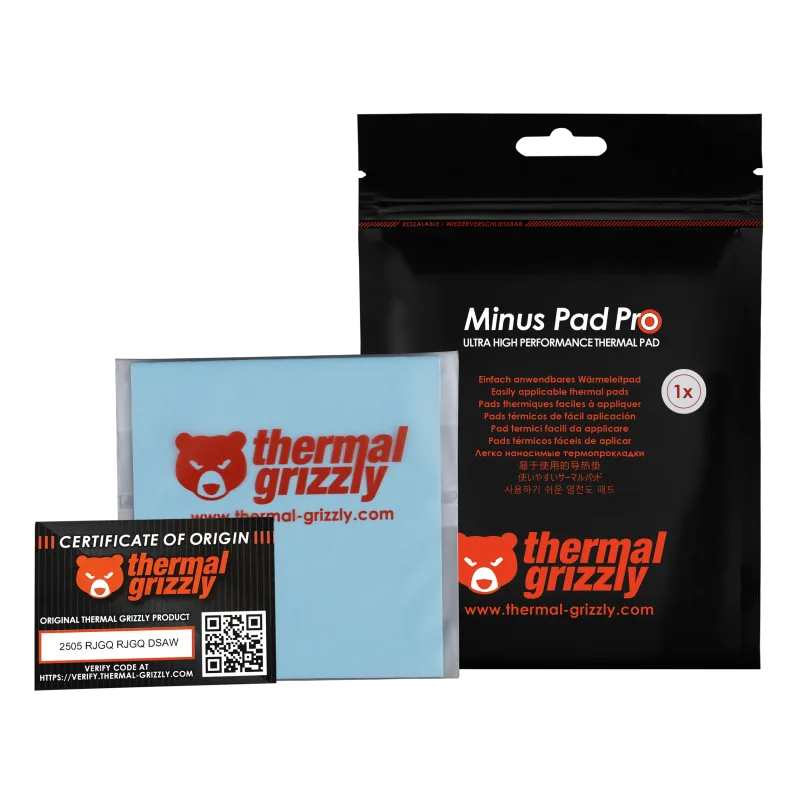
The Minus Pad Pro is Thermal Grizzly’s top-tier pad, rated at 11.2 W/mK at 2mm on the maker’s datasheet. It comes with a certificate-of-origin card and a verify code, which matters in a category with counterfeits. The downside is cost: the strip pack is small, so a full-card repad can mean buying several packs.
2. Gelid Solutions GP-Extreme — Best Value
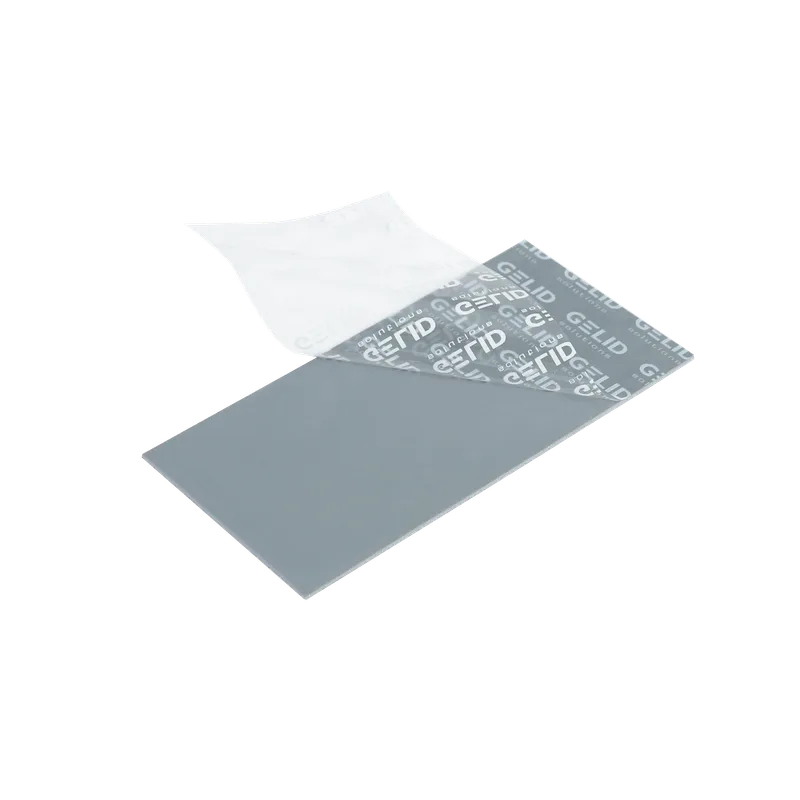
The GP-Extreme lists 12 W/mK at a 35 Shore OO hardness, so it is both conductive and soft. It comes in six thicknesses from 0.5mm to 3.0mm, and the 80 x 40mm sheet is enough for one card. Buy the thickness that matches your stock pads, since each is its own product.
3. ARCTIC TP-3 — Best Budget
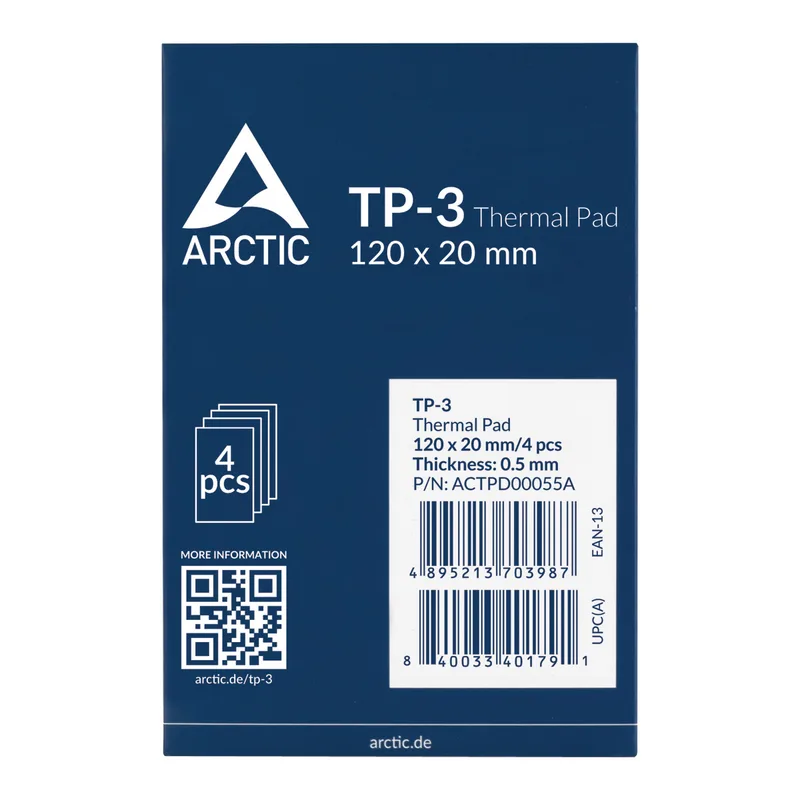
The TP-3 is a 3.0 W/mK, 55 Shore OO silicone pad in 0.5, 1.0 and 1.5mm. The 200 x 100mm listing gives you room to cut and re-cut. It is the pick for a first repad or a card with modest memory heat, and it is not the pick when you need maximum VRAM cooling.
4. Thermal Grizzly Minus Pad High Compression — Best for Thick Gaps
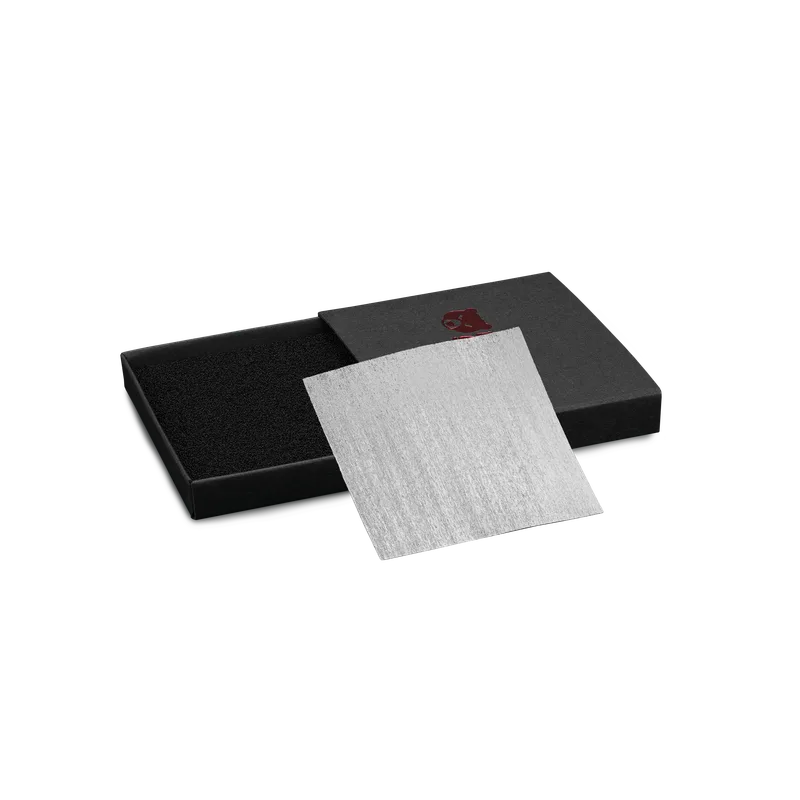
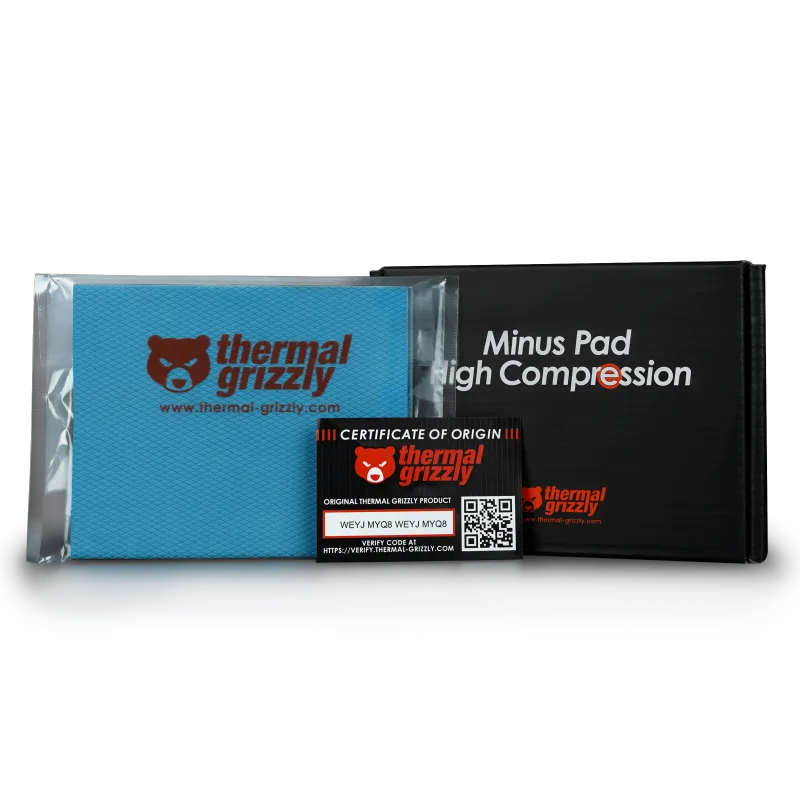
The High Compression pad is sold in 1-5mm thicknesses and a 120 x 100mm size. It targets cards with tall or uneven gaps between the memory and the cooler plate. Look up your card’s stock pad thickness first, and tighten the cooler screws in a cross pattern so it compresses evenly.
5. Thermal Grizzly KryoSheet — Die Interface Option
Thermal Grizzly KryoSheet Graphene Thermal Pad
The KryoSheet is a 33 x 33 x 0.2mm graphene sheet rated at 12 W/mK and 150°C. It is for the die, not for memory. Because it is electrically conductive, a misaligned sheet can bridge nearby components, and Thermal Grizzly advises against reuse. It suits experienced builders with a confirmed matching die size.
FAQ
Do I need to replace the memory pads when I repaste a GPU?
Not always, but if the old pads are torn, dry, or oil-stained, replace them. Pads that have been compressed for years do not rebound, so fresh ones restore contact.
Can I use PTM7950 on VRAM?
It is designed as a thin interface for the die and heat spreader, not for gaps of a millimeter or more. Use a gap-filler pad on memory.
Are 12 W/mK pads worth it over a 3 W/mK pad?
On cards with hot memory, yes, the higher rating helps. On cards where memory already runs well within spec, the ARCTIC is enough and costs less.
How thick a pad do I need?
Measure the original with calipers. Stock thicknesses of 1mm to 3mm are common on large cards, but it varies by model, so check yours.
Is it safe to reuse thermal pads?
Soft pads can be reused once if clean and intact, but Thermal Grizzly recommends one-time use for its Minus Pad Extreme line, and says the KryoSheet should not be reused.
The Bottom Line
For most repads, the Gelid GP-Extreme gives the best mix of conductivity and price, while the Thermal Grizzly Minus Pad Pro is the pick if you want a verifiable brand pad. Choose the ARCTIC TP-3 if you want a cheap first attempt. Skip the KryoSheet unless you know the die size and are careful around conductive surfaces.