The Intel N100 and N305 boards that dominated “best NAS CPU” recommendations over the past two years are having a rough 2026 — CWWK, Topton, and ASRock’s six-bay N100/N305 boards, along with N150-based mini PCs like the GMKtec G9, have been sitting out of stock on Amazon for weeks even as Intel’s newer N150 “Twin Lake” chip starts showing up in fresh NAS motherboard reviews. If you need to build now, a standard socketed desktop CPU is the more reliable path: AM4, AM5, and LGA1700 platforms are mature, boards are in stock, and you get a real upgrade path the soldered N-series boards never offered. Here are five CPUs that fit TrueNAS, Unraid, and Plex-server builds, ranked by what they’re actually good at rather than idle-watt bragging rights alone.
| Spec | AMD Ryzen 9 7900 9/10 | Intel Core i5-13500 8.8/10 | AMD Ryzen 5 8600G 8.5/10 | Intel Core i3-14100 8.3/10 | AMD Ryzen 5 5600G 8/10 |
|---|---|---|---|---|---|
| cores | 12 Cores / 24 Threads | 14 Cores (6P+8E) / 20 Threads | 6 Cores / 12 Threads | 4 Cores / 8 Threads | 6 Cores / 12 Threads |
| boost_clock | 5.4 GHz | 4.8 GHz | 5.0 GHz | 4.7 GHz | 4.4 GHz |
| base_clock | 3.7 GHz | 2.5 GHz | 4.3 GHz | 3.5 GHz | 3.9 GHz |
| tdp | 65W (measured ~87W under full load) | 65W base / 154W max turbo | 65W | 60W base power | 65W |
| socket | AM5 | LGA1700 | AM5 | LGA1700 | AM4 |
| cache | 76MB L2+L3 | 24MB L3 | 22MB L3 | 12MB L3 | 19MB L2+L3 |
| Rating | 9/10 | 8.8/10 | 8.5/10 | 8.3/10 | 8/10 |
Prices change daily — tap Check Price for the current Amazon price.
Prices change daily — tap Check Price for the current Amazon price.
Quick Picks
- Best Overall: AMD Ryzen 9 7900 — 24 threads at a 65W TDP for a server running multiple VMs and containers at once
- Best for Plex/Jellyfin: Intel Core i5-13500 — Quick Sync hardware transcoding plus 14 cores for background automation
- Best Budget: Intel Core i3-14100 — Quick Sync transcoding at the lowest platform cost in this roundup
Buying Guide: What Actually Matters for a Home Server CPU
Quick Sync beats raw core count for Plex and Jellyfin
If media transcoding is the primary job, an Intel chip with Quick Sync — the Core i5-13500 or Core i3-14100 here — will transcode multiple 4K streams using dedicated media hardware while the CPU cores stay nearly idle. AMD’s Ryzen chips lean on their Vega or RDNA iGPUs for the same job, which works for one or two streams but falls behind Quick Sync once you stack simultaneous transcodes. If your server is mostly Plex, prioritize Quick Sync over core count.
ECC memory support is real on some AM5 chips, but the motherboard has to cooperate
AMD publishes ECC UDIMM support for Ryzen desktop chips including the 8600G, and several B650 boards from Gigabyte and ASRock enable it in firmware — a genuine advantage for TrueNAS or Unraid builders who care about silent data corruption. It’s not universal: many B650/B850 boards ship with ECC support present in the chipset but not validated or enabled by the vendor, so check the specific board’s manual rather than assuming ECC works because the CPU supports it.
Idle power draw compounds over a server’s lifetime
A home server runs 24/7, so the gap between a 60W-base Core i3-14100 and a 154W-max-turbo Core i5-13500 matters more here than in a desktop that sleeps overnight. The AMD picks in this roundup — the Ryzen 9 7900, Ryzen 5 8600G, and Ryzen 5 5600G — all carry a 65W TDP and stay efficient at idle, which is why AMD’s non-X desktop chips have become a common home-server recommendation even without an N100 board’s rock-bottom power floor.
Match core count to your actual workload, not the biggest number
12 cores on the Ryzen 9 7900 only pays off if you’re running enough simultaneous VMs, containers, or transcodes to use them. A TrueNAS box serving files to a few devices with occasional Plex duty is well served by the 6-core Ryzen 5 8600G or 5600G; save the 12- and 14-core options for a server that’s also running a Proxmox cluster, a *arr automation stack, and multiple transcodes at the same time.
Detailed Reviews
1. AMD Ryzen 9 7900
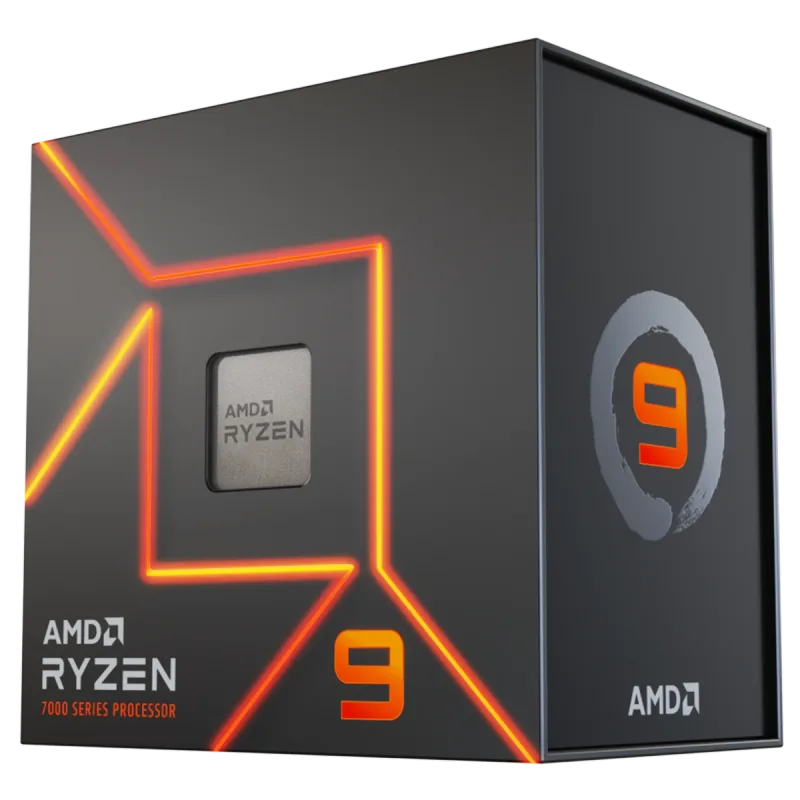
The Ryzen 9 7900 is AMD’s most affordable 12-core, 24-thread desktop chip, and reviewers have consistently flagged it as one of the most efficient Zen 4 parts available — it draws roughly 87W under full sustained load despite its 65W TDP rating, and runs cool enough on a stock-class cooler to stay quiet in a server closet. For a home server running Proxmox or Unraid with several VMs and a stack of Docker containers, 24 threads gives real headroom that a 6-core chip doesn’t.
It includes a 2-CU RDNA2 iGPU, so you don’t need to dedicate a PCIe slot and extra idle watts to a discrete GPU just to get video output during setup and BIOS access. The tradeoff is platform cost: AM5 motherboards with 6 or more SATA ports for a real multi-drive NAS run more than the AM4 or LGA1700 boards paired with the other CPUs here.
2. Intel Core i5-13500
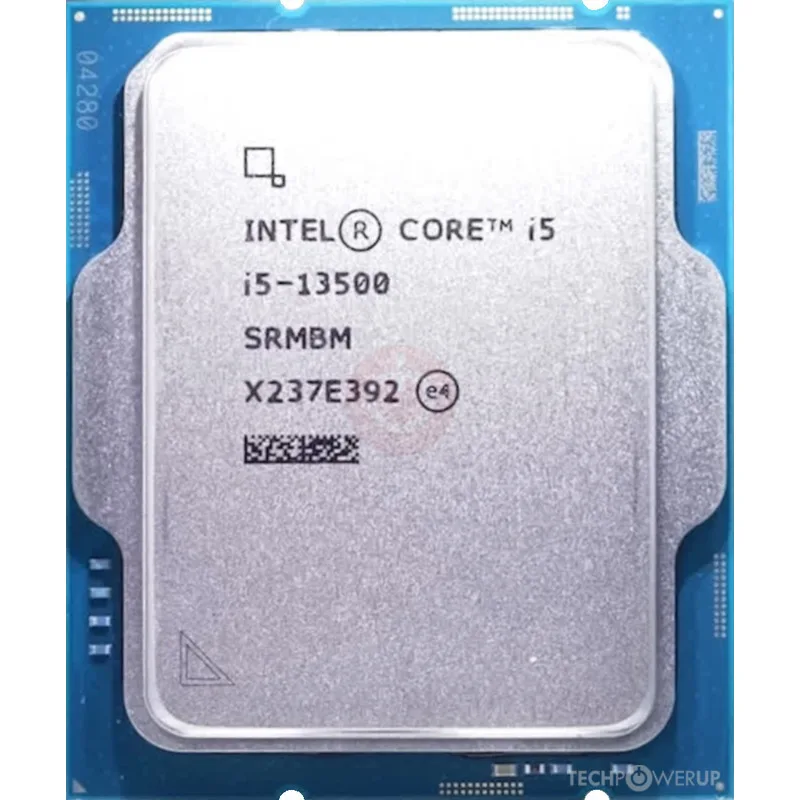
The i5-13500 pairs 6 P-cores with 8 E-cores for 20 threads total, but the real draw for a media server is Quick Sync — Intel’s dedicated hardware transcoding engine handles multiple simultaneous 4K-to-1080p Plex or Jellyfin streams without loading down the CPU cores at all. That leaves the P-cores free for interactive tasks and the E-cores free to run background jobs like backups or a *arr media-automation stack.
LGA1700 has been Intel’s mainstream socket since 2021, so boards with plenty of SATA ports are common and inexpensive. The downside is power: at max turbo the chip can pull up to 154W, meaningfully more than any AMD option in this roundup, which adds up over a server that never powers off.
3. AMD Ryzen 5 8600G
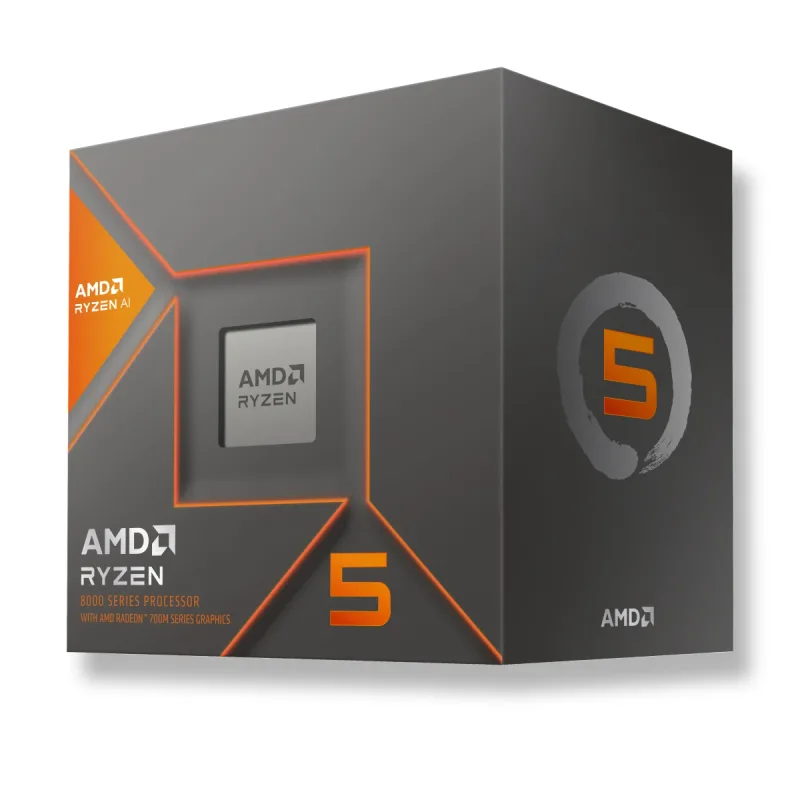
The 8600G pairs 6 Zen 4 cores with a Radeon 760M iGPU built on RDNA3 — enough graphics horsepower to drive a Plex or Jellyfin client directly from the server box, not just push a display signal during setup. For TrueNAS or Unraid builders who care about data integrity, AMD documents ECC UDIMM support on this chip, and boards like the Gigabyte B650 Eagle AX and several ASRock B650 models validate and enable it in firmware.
That ECC support isn’t guaranteed across every B650 or B850 board — some ship with the chipset-level capability present but not turned on — so confirm the specific motherboard supports it before building around that feature. With 6 cores and 12 threads, it’s better suited to a NAS with moderate Plex duty than a server running a dozen containers at once.
4. Intel Core i3-14100
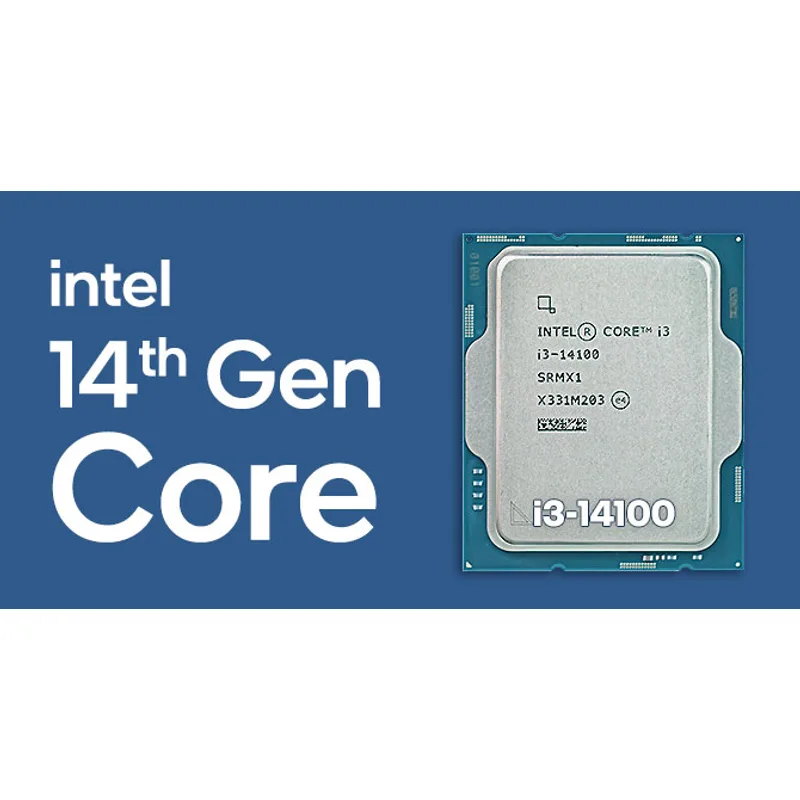
The i3-14100 is the cheapest way onto a socket that still includes Quick Sync, Intel’s hardware transcoding engine. A single 4K stream transcodes without the CPU registering meaningful load, and the chip’s 60W base power keeps electricity costs low on a machine that runs around the clock. For a straightforward TrueNAS or Unraid box that mostly serves files and handles the occasional Plex stream, this is the CPU that gets there for the least money.
The limitation is thread count: 4 cores and 8 threads means background jobs — a backup task, a media-automation stack, a second transcode — start competing for CPU time rather than running comfortably in parallel. If your server does more than file-serving and light Plex, step up to the i5-13500 or Ryzen 9 7900.
5. AMD Ryzen 5 5600G
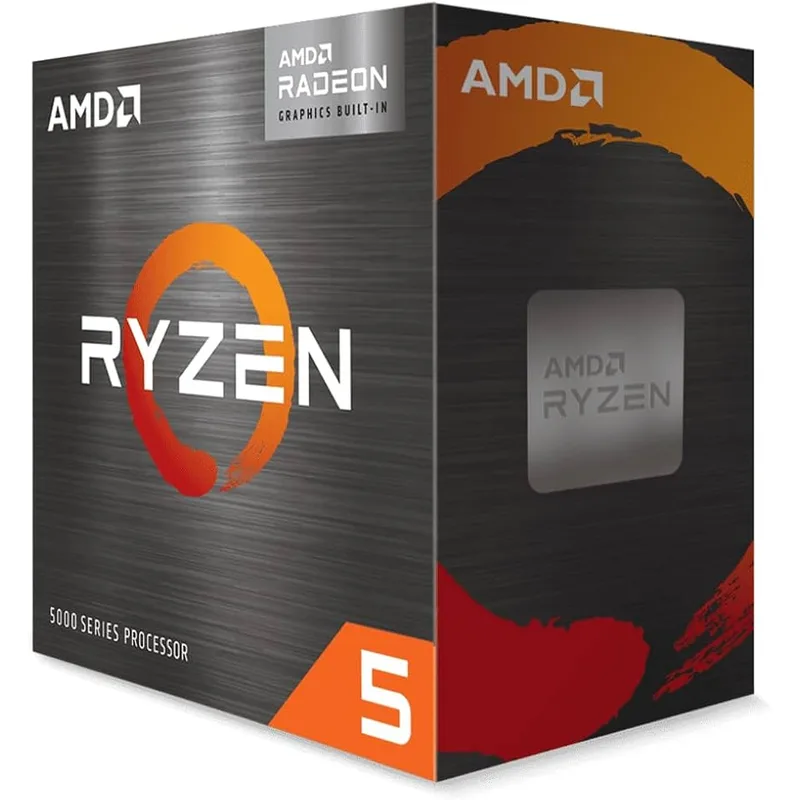
The 5600G runs on AM4, the cheapest total platform in this roundup — B450 and B550 boards with 6 SATA ports are widely available at low prices, and DDR4 hasn’t seen the price spikes that have hit DDR5 kits throughout 2026. Six cores and 12 threads comfortably run TrueNAS SCALE or Unraid alongside a handful of light containers, and the Vega 7 iGPU outputs video and handles basic transcoding without a discrete GPU.
Vega 7’s transcoding is weaker than Intel’s Quick Sync once you stack multiple simultaneous 4K streams, and AM4 is a legacy platform with no further CPU upgrades coming. For a budget-first NAS build where total platform cost matters more than a long upgrade runway, it’s still a reasonable pick.
FAQ
Why isn’t this roundup built around Intel N100 or N305 NAS boards?
Because as of this writing, the popular six-bay N100/N305 boards from CWWK, Topton, and ASRock, along with N150-based mini PCs like the GMKtec G9, are out of stock on Amazon. Standard socketed CPUs on AM4, AM5, and LGA1700 are in stock, cheaper to source reliably, and offer an upgrade path those soldered boards never had.
Do I need ECC memory for a home NAS?
Not strictly — most home NAS builds run fine on non-ECC memory, and TrueNAS and Unraid both work without it. ECC protects against silent memory corruption during ZFS scrubs and long-term storage, which matters more if you’re storing irreplaceable data. The Ryzen 5 8600G is the only chip here with documented ECC UDIMM support, and only on motherboards that enable it.
Does AMD’s integrated graphics handle Plex transcoding as well as Intel Quick Sync?
No. Intel’s Quick Sync, available on the Core i5-13500 and Core i3-14100, is purpose-built for video transcoding and handles multiple simultaneous 4K streams with almost no CPU load. AMD’s Vega and RDNA iGPUs can transcode but fall behind once you stack more than one or two simultaneous streams.
How many cores do I actually need for TrueNAS or Unraid?
For file-serving with light Plex use, 4-6 cores (Core i3-14100, Ryzen 5 8600G, or Ryzen 5 5600G) is enough. Once you add a Proxmox cluster, multiple VMs, or a heavier container stack alongside transcoding, step up to the 14-thread Core i5-13500 or the 24-thread Ryzen 9 7900.
Is AM4 still worth building on in 2026?
For a budget-focused NAS or home server, yes — the Ryzen 5 5600G keeps total platform cost the lowest of any option here, and DDR4 pricing has stayed stable while DDR5 kits have gotten more expensive throughout 2026. The tradeoff is that AM4 has no further CPU upgrades coming, so it’s a dead-end platform if you expect to need more power later.
The Bottom Line
For a home server handling real multitasking — several VMs, a container stack, and transcoding at the same time — the AMD Ryzen 9 7900 delivers 24 threads at a 65W TDP that a soldered N-series board can’t match. If Plex or Jellyfin is the main job, the Intel Core i5-13500 and its Quick Sync engine handle multiple simultaneous transcodes with room to spare. Builders who just need reliable file-serving on the smallest budget should look at the Intel Core i3-14100 — it’s the cheapest path to a Quick-Sync-equipped NAS in this lineup. Whichever CPU you pick, pair it with a case that has enough drive bays for your storage plan; our best NAS drives for home builds guide covers the storage side of the build.