Disclosure: PCBuildRanked earns a commission on qualifying purchases through Amazon affiliate links at no extra cost to you.
The 9850X3D is out. AMD launched its updated V-Cache chip in January 2026 at $499, displacing the 9800X3D as the fastest gaming CPU available. Meanwhile, the 9800X3D sits around $449 — which makes it arguably the smarter buy for most people. Here’s the full ranking.
| Spec | AMD Ryzen 7 9850X3D 9.6/10 | AMD Ryzen 7 9800X3D 9.4/10 | AMD Ryzen 5 9600X 9/10 | Intel Core Ultra 9 285K 8.5/10 | Intel Core Ultra 5 245K 8/10 | AMD Ryzen 9 9950X 8.3/10 |
|---|---|---|---|---|---|---|
| Cores/Threads | 8C/16T | 8C/16T | 6C/12T | 24C/24T (8P+16E) | 14C/14T (6P+8E) | 16C/32T |
| Base/Boost | 4.7 / 5.6 GHz | 4.7 / 5.2 GHz | 3.9 / 5.4 GHz | 3.7 / 5.7 GHz | 4.2 / 5.2 GHz | 4.3 / 5.7 GHz |
| Cache | 96MB 3D V-Cache + 8MB L2 | 96MB 3D V-Cache + 8MB L2 | 32MB L3 + 6MB L2 | 36MB L3 + 40MB L2 | 24MB L3 + 26MB L2 | 64MB L3 + 16MB L2 |
| TDP | 120W | 120W | 65W | 125W (PBP) / 250W (MTP) | 125W (PBP) / 159W (MTP) | 170W |
| Socket | AM5 | AM5 | AM5 | LGA 1851 | LGA 1851 | AM5 |
| DDR | DDR5-5600 (native) | DDR5-5600 (native) | DDR5-5600 (native) | DDR5-5600 (native) | DDR5-5600 (native) | DDR5-5600 (native) |
| Rating | 9.6/10 | 9.4/10 | 9/10 | 8.5/10 | 8/10 | 8.3/10 |
Prices change daily — tap Check Price for the current Amazon price.
Prices change daily — tap Check Price for the current Amazon price.
Quick Picks
Fastest gaming CPU: The AMD Ryzen 7 9850X3D leads with a 5.6 GHz boost clock and 96MB 3D V-Cache. Best pick if you’re building around 1080p competitive gaming and want the absolute ceiling.
Best value for gaming: The AMD Ryzen 7 9800X3D at ~$449 delivers 94-97% of the 9850X3D’s gaming performance for $50 less. The most rational gaming CPU purchase in 2026.
Best budget CPU: The AMD Ryzen 5 9600X at $185 games within 5-10% of CPUs costing twice as much. Put the savings toward the GPU.
Best for mixed workloads: The Intel Core Ultra 9 285K brings 24 cores for content creators, streamers, and developers who also game.
Platform Compatibility
Socket AM5 (AMD): Ryzen 9000 series. Compatible with 600-series and 800-series motherboards (B650, X670, B850, X870). All AM5 boards require DDR5. AMD has confirmed AM5 support through at least 2027 — the longest formal commitment of either platform.
Socket LGA 1851 (Intel): Arrow Lake / Core Ultra 200 series. Requires 800-series boards (B860, Z890). DDR5 only. Intel has historically cycled sockets every two generations; no formal extension commitment exists for LGA 1851.
DDR5 is mandatory on both platforms. Target a 32GB DDR5-6000 CL30 kit — that’s the speed and timing sweet spot for both AMD and Intel in 2026.
Buying Guide
Gaming-first builds: The GPU matters far more than the CPU at 1440p and 4K. The performance gap between a $185 Ryzen 5 9600X and a $449 Ryzen 7 9800X3D is 2-5 FPS in most GPU-limited scenarios. Put the $264 difference toward a better GPU — the frame rate gains there are far more visible.
1080p competitive gaming: This is the scenario where the 9800X3D and 9850X3D genuinely earn their price. At 1080p with a high-refresh-rate monitor and a fast GPU, the CPU becomes the bottleneck. 3D V-Cache’s large L3 cache delivers measurable frame rate advantages in cache-sensitive game engines. For competitive shooters at 240Hz+, the extra cost is justified.
Mixed gaming and productivity: If you stream, edit video, or run compilation jobs alongside gaming, core count matters more than cache. The Intel 285K or AMD 9950X are better fits than a V-Cache chip in this scenario. For a full breakdown of which CPUs handle streaming workloads without bottlenecking game performance, see our best CPUs for streaming guide. For video editing builds, see our best CPUs for video editing guide. For a focused guide on premium processors above $400 including the 9850X3D, 9950X, and Core Ultra 9 285K, see our best high-end CPUs over $400 guide.
Total platform cost: Factor in the full build cost, not just the CPU. An AM5 B850 motherboard starts at $150; an LGA 1851 Z890 starts around $250. For mid-range builds, AM5 consistently delivers better platform value.
Detailed Reviews
1. AMD Ryzen 7 9850X3D — Fastest Gaming CPU
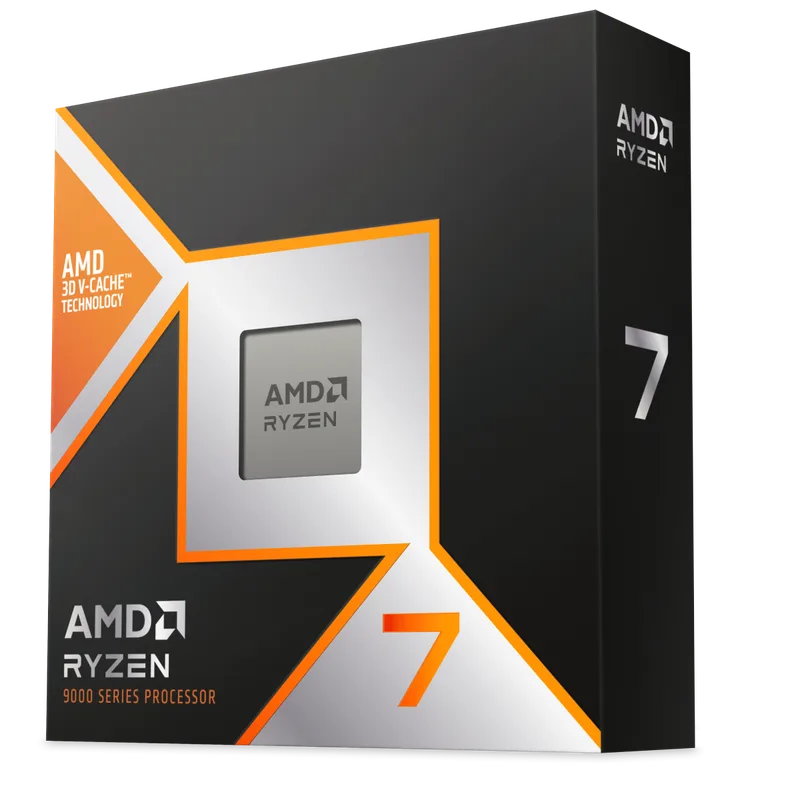
The 9850X3D launched January 29, 2026 at $499, claiming the top gaming CPU position from the 9800X3D. The key upgrade: a 400MHz boost clock increase to 5.6 GHz. Pair that with the same 96MB 3D V-Cache architecture, and independent reviews show 3-6% gaming gains in most titles, with select cache-sensitive games showing up to 8% improvement over the 9800X3D.
The honest assessment is that the performance gap is real but modest. At the 9800X3D’s current $449 price, the $50 premium for the 9850X3D delivers diminishing returns for most use cases. The 9850X3D makes the most sense in a high-end 1080p competitive build — paired with an RTX 5080 or above, targeting 240Hz or higher framerates — where the boost clock difference is most visible. For 1440p or 4K gaming with any mid-range GPU, the 9800X3D closes the gap from a value standpoint.
See our Ryzen 7 9800X3D review for a full breakdown of the 3D V-Cache architecture that both chips share.
2. AMD Ryzen 7 9800X3D — Best Value Gaming CPU
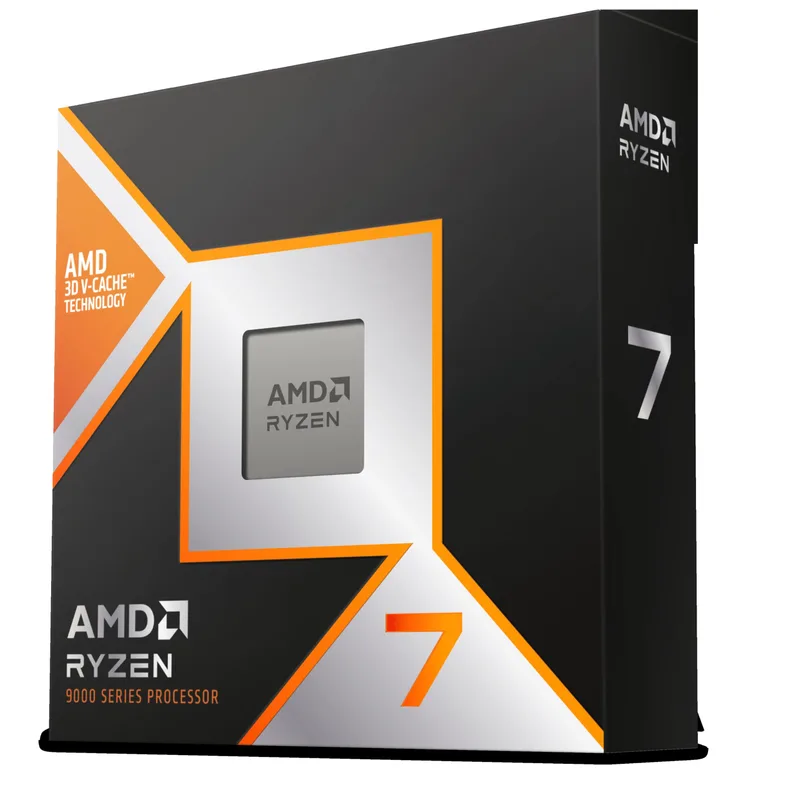
At ~$449, the 9800X3D is the best gaming CPU value on the market. It delivers 94-97% of the 9850X3D’s gaming performance at a $50 discount — and outperforms every other CPU in this roundup in pure gaming scenarios.
AMD’s 3D V-Cache technology stacks an additional 64MB of L3 cache on the Zen 5 die, giving the processor a significant advantage in cache-sensitive game engines. That cache advantage translates to 5-15% higher frame rates versus standard CPUs across a broad range of titles. The 120W TDP keeps thermals manageable — a quality $40-50 tower cooler handles the load without issue.
AM5 platform support through at least 2027 means the motherboard investment is safe. If a Zen 6 X3D chip arrives and it’s compelling, the swap happens without a platform change. For a full architecture and thermal breakdown, see our Ryzen 7 9800X3D review.
3. AMD Ryzen 5 9600X — Best Budget CPU
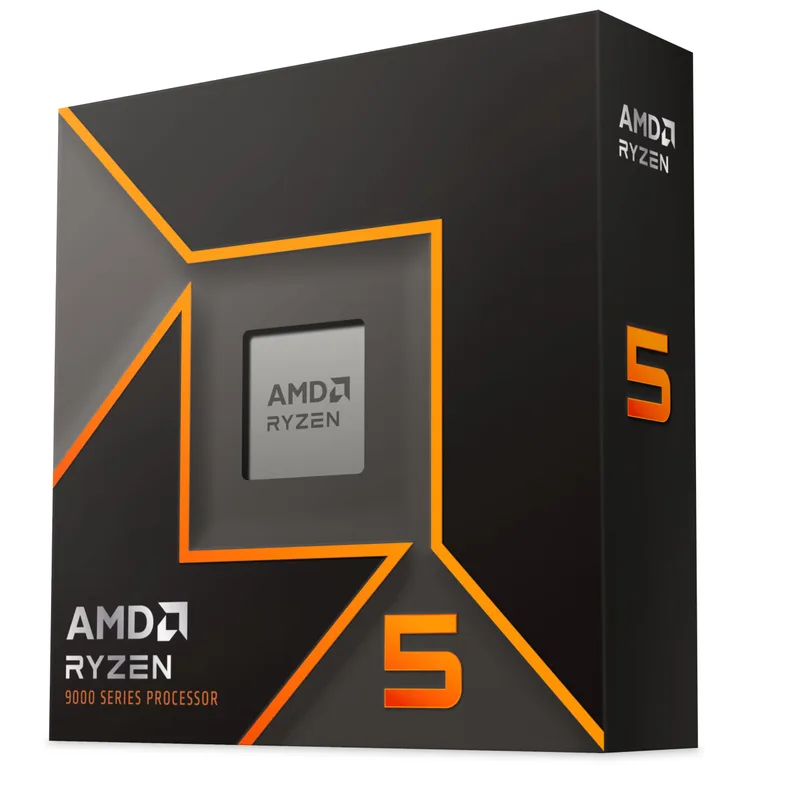
The rational pick for any gaming build where the GPU is the bottleneck — which covers nearly every 1440p and 4K scenario. At $185, the 9600X delivers Zen 5 IPC improvements, a 5.4 GHz boost clock, and gaming performance within 5-10% of the 9800X3D when the GPU is the limiting factor.
The included Wraith Stealth cooler handles the 65W TDP without needing an aftermarket purchase, and AM5 socket compatibility means future upgrades to a 9800X3D or later X3D chip don’t require a new motherboard. That upgrade path is a meaningful long-term value proposition that same-price Intel options can’t match.
For AM5 motherboard pairings, see our best AM5 motherboards guide. For more options in this price tier, see our best budget CPUs under $200. If you’re shopping below this price point, see our best CPUs under $150 guide for the top options at an even tighter budget. For a full benchmark breakdown of the 9600X including real-world gaming and productivity results, see our AMD Ryzen 5 9600X review. Mid-range builders who want an extra 2 cores and higher boost clocks without the V-Cache premium should also check our AMD Ryzen 7 9700X review. For options between budget and high-end, see our best value CPUs under $300.
4. Intel Core Ultra 9 285K — Best for Productivity + Gaming
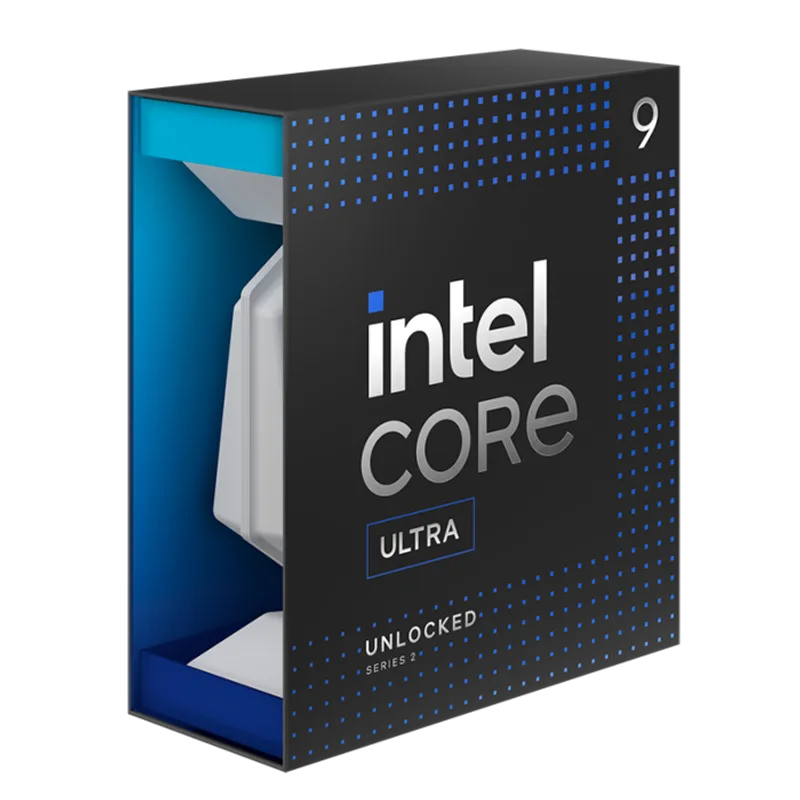
Intel Core Ultra 9 285K
Intel’s Arrow Lake flagship earns its place for mixed workloads. The 24-core configuration — 8 P-cores for gaming and single-thread work, 16 E-cores for background and multi-threaded tasks — handles video editing, software compilation, 3D rendering, and live streaming in ways that an 8-core V-Cache chip cannot. For a complete streaming build guide, see our how to build a streaming PC guide.
In pure gaming, the 285K trails the 9850X3D and 9800X3D by 10-20%, particularly at 1080p where the CPU is the primary bottleneck. At 1440p with a mid-range GPU, that gap shrinks to 5-8%, which most players won’t notice. The trade-off is real: if gaming is your primary workload, AMD’s V-Cache options deliver better frame rates for the same or lower cost.
Platform cost is a factor. Z890 boards start around $250, versus $150 for AM5 B850. For a detailed breakdown of gaming and productivity benchmarks, see our Intel Core Ultra 9 285K review.
5. Intel Core Ultra 5 245K — Best Intel Mid-Range
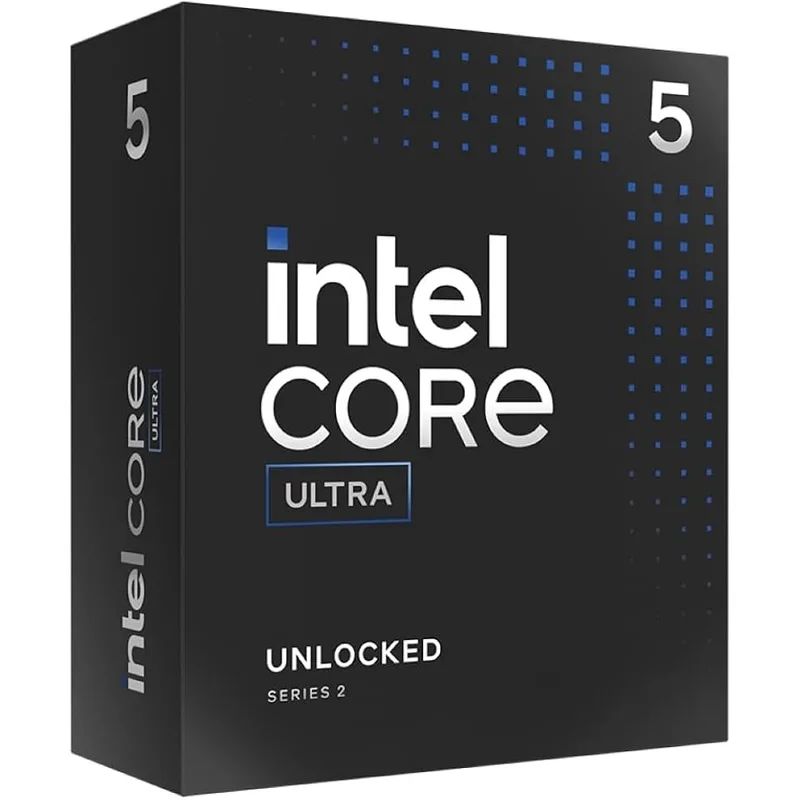
Intel Core Ultra 5 245K
A capable chip in a difficult spot. At $219–$229, the 245K is now about $40 more than the Ryzen 5 9600X at $179 — a narrower gap than it used to be. But in gaming, the 9600X still matches it. The justification for the 245K comes from the E-core count: 14 total cores (6P+8E) provide meaningfully better multi-threaded throughput than the 9600X’s 6-core configuration for workloads like streaming, light video editing, and compilation.
For a new build targeting gaming only, the 9600X is the smarter spend. The 245K makes sense if you’re expanding an existing LGA 1851 system or need the extra E-cores for regular multi-threaded work and don’t want to step up to the 285K’s price and power requirements. For a full benchmark breakdown including gaming and multi-threaded results, see our Intel Core Ultra 5 245K review.
6. AMD Ryzen 9 9950X — Best All-Around AM5
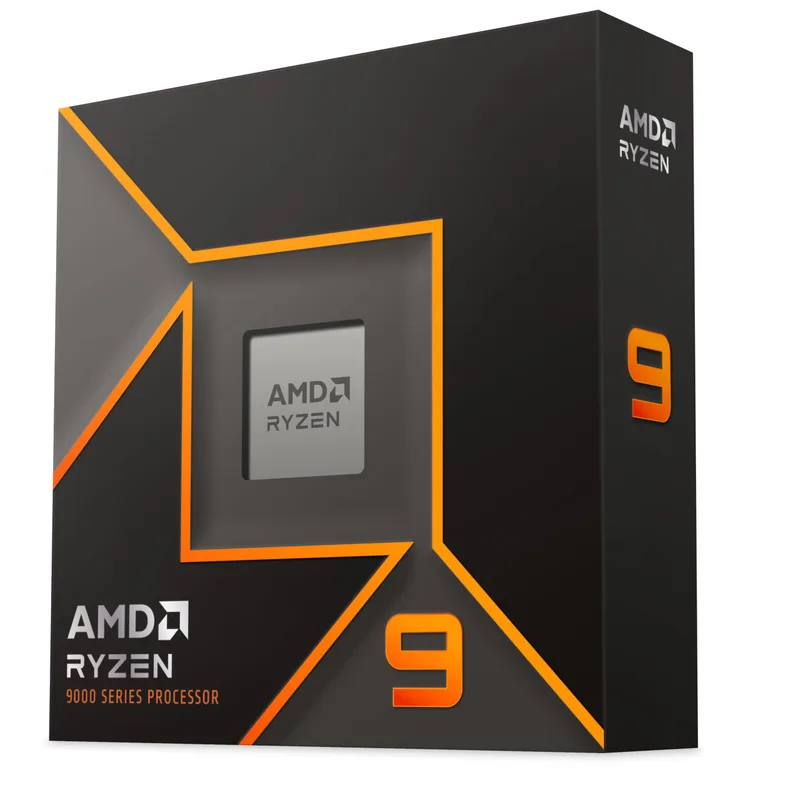
AMD Ryzen 9 9950X
AMD’s 16-core AM5 flagship handles the productivity workloads that V-Cache chips can’t match, while staying within 3-5% of the 9800X3D in gaming across most titles. For content creators, developers, and streamers who game, the 9950X balances all workloads without requiring a platform change from the rest of the AM5 lineup.
The limitation is clear: if your primary use case is gaming, the 9800X3D is faster and about $60 cheaper at current prices. The 9950X earns its seat only when those 16 cores see real daily utilization. For a direct comparison against Intel’s competing flagship, see our Ryzen 9 9950X vs Core Ultra 9 285K comparison.
Cooler Requirements
AM5 coolers: Most quality AM4 coolers (Noctua NH-D15, be quiet! Dark Rock 4, DeepCool AK620) work on AM5 with a free adapter or existing bracket. Verify compatibility before buying a new cooler.
LGA 1851 coolers: Arrow Lake uses the same mounting pattern as LGA 1700 (12th/13th/14th Gen Intel). Any cooler rated for those generations works. Given the 285K’s 250W MTP, a 360mm AIO or premium dual-tower air cooler is necessary.
Stock coolers: The 9600X includes a Wraith Stealth — adequate for 65W but audible. The 9850X3D, 9800X3D, and 9950X ship without coolers. No Intel K-series chip includes a cooler. For recommendations, see our best CPU coolers for gaming.
FAQ
AMD or Intel for gaming in 2026?
AMD, clearly. The Ryzen 7 9850X3D is the fastest gaming CPU, the 9800X3D is the best value, and the 9600X is the best budget option. AM5 also carries a longer confirmed support window. Intel’s Arrow Lake competes on core count for productivity workloads, but trails in pure gaming. For a detailed platform comparison, see our Intel vs AMD CPU guide. If you’re specifically looking for the best Intel options available in 2026, see our best Intel CPUs guide.
Should I buy the 9850X3D or 9800X3D?
At current pricing — 9850X3D at $499, 9800X3D near $449 — the 9800X3D is the better buy for most people. Independent reviews show the 9850X3D averaging 3-6% faster in gaming, with select titles reaching 8%. That’s a real but small gap for a $50 premium. If you’re building a high-end 1080p competitive rig paired with an RTX 5080 or above, the 9850X3D’s boost clock advantage is most visible. For 1440p and above, the 9800X3D is the rational choice.
Is 6 cores enough for gaming in 2026?
Yes, for GPU-limited builds. The 9600X’s 6 cores handle current game engines without bottlenecking a mid-range GPU at 1440p or 4K. Some newer titles are beginning to use 8+ cores more aggressively, but a 6-core chip won’t limit a GPU-limited build today. The AM5 upgrade path is available when your needs change.
Should I buy DDR5-5600 or DDR5-6000?
DDR5-6000 is the target for 2026 builds on both platforms. For AM5, DDR5-6000 runs in gear 1 mode — the most efficient mode for the memory controller — and delivers measurably better performance than DDR5-5600 without requiring exotic settings. Aim for a 32GB CL30 kit; pricing is reasonable and the bandwidth improvement shows in gaming benchmarks.
Is upgrading from a Ryzen 7 7800X3D worth it?
Probably not unless you’re CPU-limited. The 9850X3D offers roughly 10-15% more gaming performance than the 7800X3D in most titles. At 1080p with a high-end GPU where the CPU is the bottleneck, that gain is real. At 1440p or 4K, the GPU typically limits performance and the CPU upgrade shows little return. A platform change to AM5 also requires a new motherboard and DDR5 memory — factor that into the total cost.
What’s coming next from AMD?
AMD announced the Ryzen 9 9950X3D2 — a 16-core dual-cache V-Cache chip with 208MB total cache — launching April 22, 2026 at $899. AMD positions it for developers and content creators, not pure gaming. The gaming crown stays with the 9850X3D.
The Bottom Line
The AMD Ryzen 7 9850X3D is the fastest gaming CPU in 2026. For most builders, the AMD Ryzen 7 9800X3D at ~$449 is the smarter buy — 94-97% of the performance at a $50 discount. If budget is the priority, the Ryzen 5 9600X at $185 leaves $224 for a better GPU, where the investment shows up in every game you play.